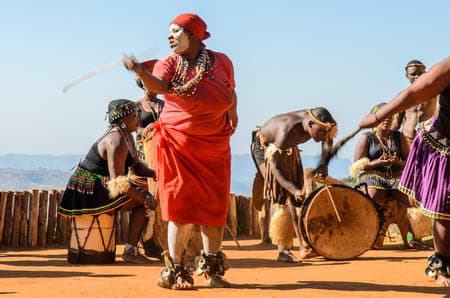
Delve into the vibrant cultures surrounding Victoria Falls and discover unique local experiences.

Image via 123RF
Get in touch with us and we'll get back to you as soon as possible.
Here's what sets us apart from the competition
We deliver exceptional experiences at fair, transparent prices, ensuring every journey offers genuine quality, comfort, and unforgettable adventure without unnecessary costs.
Your journey is crafted around your interests, pace, and travel style, giving you a custom-made adventure that feels authentic, meaningful, and entirely your own.
From planning to your final day of travel, our dedicated team is available to guide, assist, and ensure your trip runs smoothly and stress-free.
Find answers to common questions
Wear modest, comfortable clothing that covers shoulders and knees, bring a hat and water, ask your guide about photography etiquette, and carry small cash for local purchases or community contributions as advised by your guide.
Yes - Zimtrek designs tailor-made cultural activities that consider family-friendly pacing, child-appropriate interactions, and accessibility requirements, coordinating with partners to accommodate mobility limitations where possible.
Zimtrek can include visits to local villages, guided cultural walks, traditional music and dance performances, community-run projects, and markets to provide authentic insights into local life while supporting community partners.
Zimtrek works with vetted community partners and local guides who follow ethical visit protocols, ensure fair compensation, and design interactions that respect local customs and privacy while contributing to community income streams.
English is widely spoken in many tourism areas, and Zimtrek arranges local guides or interpreters when needed to facilitate meaningful exchanges and help navigate cultural nuances.
In This Article
Cultural Heritage
Authentic Experiences
Cultural Tours
The area around Victoria Falls is not just a gateway to one of Africa’s most famous natural landmarks; it is also a living cultural landscape shaped by communities whose histories, languages, and livelihoods predate modern tourism. Travellers who spend time here often discover that the most memorable moments are not only the views of the Zambezi Gorge, but the conversations with local hosts, the rhythm of traditional music, the texture of handwoven crafts, and the way cultural identity is woven into daily life. Around the town and the wider region, people from Shona, Ndebele, Tonga, and other Southern African communities have influenced the area’s character through storytelling, food, ceremonial practices, and craftsmanship. This creates a visitor experience that feels grounded and specific rather than staged or generic.
Victoria Falls is best understood as a meeting point of landscapes and communities: the waterfall draws attention, but the cultural depth of the region gives the visit its context.
For many international travellers, the cultural side of Victoria Falls becomes a useful counterbalance to game drives and sightseeing. It gives meaning to the region’s history, especially when visited through locally led experiences that create income for communities and preserve skills such as basket weaving, drum-making, beadwork, and dance. Zimtrek’s planning approach typically pairs cultural activities with comfortable logistics, because the value of these experiences is highest when they are unhurried, responsibly organised, and led by people with real community connections.
major cultural influences often encountered around the Victoria Falls region: Shona, Ndebele, Tonga, and local mixed-community traditions.
The cultural identity around Victoria Falls is best appreciated as layered rather than uniform. The Shona and Ndebele communities are widely present across Zimbabwe and shape much of the region’s language, music, and social customs. In and around the broader Zambezi Valley, Tonga heritage is especially important, with traditions connected to the river, fishing, farming, and oral history. These traditions are not museum pieces; they continue to influence how families cook, celebrate, greet visitors, and pass knowledge between generations. A visitor who takes the time to ask about family history, local proverbs, or the meaning of a song often gets a richer and more respectful encounter than someone who rushes through a photo stop.
In practical terms, travellers may notice traditions through the way guides explain place names, the use of drums and handclaps in performances, or the symbolism in carved objects and textiles. Ndebele artistic patterns, for example, are known for strong geometric motifs and bright colours, while Shona stone sculpture has become one of Zimbabwe’s best-known artistic expressions. Tonga cultural identity often comes through oral narratives, song, and the close relationship between people and the Zambezi ecosystem. Rather than presenting each group as a fixed “performance,” good community visits explain how these traditions adapt to modern life, school, work, and tourism. That makes the experience more credible and more engaging.
| Community / heritage | Common traditions | What visitors may notice |
|---|---|---|
| Shona | Storytelling, sculpture, family ceremonies | Carved stone art, proverbs, call-and-response songs |
| Ndebele | Wall painting, beadwork, dance | Bold geometric patterns, rhythmic performances |
| Tonga | River-based livelihoods, oral history, music | Songs, fishing knowledge, community narratives |
Cultural preservation around Victoria Falls is closely tied to livelihood. Community projects often support artisans, performers, women’s groups, and local guides by creating direct market access for products and experiences. This matters because tourism can either flatten culture into a quick show or help sustain it through fair participation. The best-run initiatives around the region usually combine visitor education with income generation, so that a basket purchased, a dance performance booked, or a guided village visit contributes to local resilience. Zimbabwe’s national culture framework also recognises the importance of heritage protection and transmission, which helps explain why many local cultural activities emphasise both pride and continuity.
A strong cultural visit should benefit hosts as well as guests. If an experience feels rushed, heavily scripted, or disconnected from local people, it is usually less meaningful.
Visitors may encounter community craft markets, heritage centres, school-linked projects, and locally led performances that help preserve traditional knowledge. In some cases, proceeds support education, conservation, or community development. For travellers planning with Zimtrek, this is one reason cultural stops are best included as part of a broader itinerary rather than squeezed in as an afterthought. A well-paced day allows for browsing, conversation, and context, which are all essential if you want to understand the cultural fabric of the region rather than just photograph it.
One of the strongest ways to experience the cultural identity around Victoria Falls is through the work of local artisans. Craftsmanship here is not simply decorative; it is practical, symbolic, and economically important. Travellers commonly encounter hand-carved sculptures, woven baskets, beaded jewellery, wooden household items, textiles, and decorative pieces that reflect both inherited technique and contemporary creativity. The appeal is not just in what you can buy, but in the stories behind each object: who made it, what materials were used, and how the design connects to the maker’s community. This is where the region’s cultural visits become especially meaningful, because the artisan is often present, the process is visible, and the exchange is direct.
well-made handmade item often supports a household, a craft cooperative, and a local supply chain at once.
Shona stone sculpture is one of Zimbabwe’s most recognisable art forms, and although major sculpture communities are spread beyond Victoria Falls, local galleries and craft outlets in the region often showcase similar principles of form, balance, and symbolic meaning. Ndebele-inspired beadwork and painted motifs are also popular among visitors seeking pieces that reflect regional identity. If you are buying crafts in Victoria Falls, the most useful question is often not “How much does it cost?” but “Who made it and how was it made?” That keeps the purchase rooted in place and reduces the chance of buying imported souvenir stock that has little connection to local culture.
Festivals around Victoria Falls and the wider Matabeleland North area provide some of the clearest windows into community life. These events may include music performances, dance gatherings, heritage commemorations, school recitals, church-linked celebrations, and local ceremonies that are deeply meaningful to residents. Unlike a purpose-built tourist show, a community festival often has multiple purposes at once: strengthening relationships, passing on language and rhythm, honouring ancestors, recognising harvest cycles, and giving young people a chance to participate publicly. That makes timing important for visitors who want cultural depth rather than a passive audience role.
The most rewarding festival experiences usually have three traits. First, they are locally organised, which means the content reflects community priorities rather than outside assumptions. Second, they give space for explanation, so a guide or host can interpret the meaning of songs, dress, or ritual movements. Third, they are not over-packaged; a genuine event should still feel like a living community gathering. Travellers who arrive with patience tend to learn more than those expecting a short entertainment slot. If you are travelling in a small group or as a couple, Zimtrek typically recommends building flexibility into the schedule so a festival, market day, or performance can be added when dates align.
| Experience type | Best for | What you gain |
|---|---|---|
| Village visit | Travellers wanting conversation and context | Insight into daily life, customs, and family structures |
| Craft market stop | Buyers and photography-minded visitors | Direct interaction with artisans and practical souvenirs |
| Cultural performance | First-time visitors with limited time | Music, dance, and a quick introduction to local expression |
The best cultural tours in Victoria Falls are paced slowly enough for questions, purchasing, and real conversation rather than just observation.
Cultural tours around Victoria Falls work best when they are specific about what the guest will learn. Some focus on village life and household traditions, while others centre on artisan workshops, music and dance, or heritage interpretation. The key is matching the format to the traveller’s goals. A visitor who wants to understand social history will benefit more from a guided community visit than from a short entertainment stop. Someone looking to take home meaningful gifts may prefer a craft-focused half-day. Travellers with limited time can still get an authentic introduction if the tour is well chosen and led by people who can explain context clearly.
For a seamless trip, Zimtrek typically recommends integrating cultural experiences with other Victoria Falls logistics such as airport transfers, lodge check-in times, and scenic activity windows. This reduces fatigue and makes the day feel intentional rather than crowded. A cultural morning can pair well with a relaxed afternoon tea, a river cruise, or a transfer day, especially for couples and families who want balance between learning and downtime. The most memorable experiences tend to be those where visitors are not hurried from one stop to another.
Respectful interaction is the foundation of any successful cultural visit. Because many communities around Victoria Falls welcome visitors into spaces that are part of everyday life, etiquette matters. A warm greeting, a willingness to listen, and sensitivity around photography go a long way. It is usually wise to ask before taking close-up photos of people, homes, or ceremonial items. If a host declines a request, that should be accepted without pressure. Visitors should also remember that community income is real value, so bargaining aggressively over small craft purchases can undermine the spirit of the visit, especially when the difference may be only a few US Dollars.
If you are unsure whether something is appropriate, ask your guide first. A short question is better than an awkward mistake.
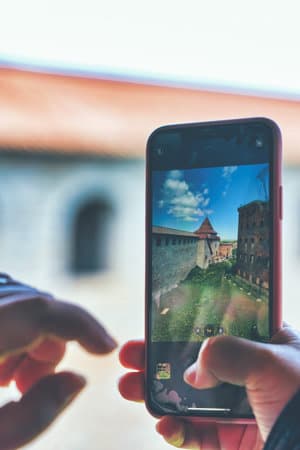
Good etiquette also means dressing modestly for village and household visits, keeping mobile phones discreet during conversations, and avoiding loud interruptions during songs or explanations. If you are offered food or drink, it is polite to accept when possible or decline respectfully with a brief explanation. For Zimtrek travellers, the practical benefit of pre-briefing is significant: when expectations are clear before arrival, the encounter feels more relaxed for everyone. The goal is not to perform politeness, but to approach the visit with humility and curiosity.
Food is one of the most accessible ways to understand culture around Victoria Falls. Meals in the region often reflect local farming, seasonal availability, and shared eating customs. Sadza, the staple maize porridge, is commonly served with leafy greens, vegetables, meat, or relish, and it plays an important role in daily Zimbabwean eating. Depending on where you visit, you may also encounter dried or grilled fish from the Zambezi system, peanut-based dishes, and simple home-style stews that emphasise nourishment and family sharing rather than presentation. Culinary experiences are especially valuable because they reveal how people live, not just how they celebrate.
| Dish or food style | Typical meaning | Visitor insight |
|---|---|---|
| Sadza with relish | Everyday staple and family meal | Introduces local dining customs and communal eating |
| Grilled or dried fish | Regional river-linked food tradition | Shows the link between the Zambezi and cuisine |
| Peanut-based stews | Comfort food and home cooking | Highlights flavour, local produce, and household variation |
A food-focused cultural stop can be an excellent addition for travellers who want more than sightseeing. Tasting local dishes in a community setting often leads naturally to conversations about ingredients, farming, household roles, and seasonal work. This is also a good reason to travel with a planner who understands which stops are genuinely community-based rather than generic restaurant experiences dressed up as culture.
For travellers who prefer hands-on learning, workshops can be the most rewarding way to engage with local culture around Victoria Falls. Short sessions in basket weaving, beadwork, drumming, dance, or basic cooking offer a structured but interactive alternative to passive observation. These experiences work particularly well for small groups and families with older children, because they allow participants to ask questions, try the process, and understand how technique is passed from one generation to the next. The point is not to become an expert in an hour; it is to gain a new appreciation for the time and skill behind an object or performance.
Workshops are most valuable when they are small, instructor-led, and connected to actual local livelihoods rather than designed only for tourists.
When planning a cultural immersion trip, it helps to choose experiences that align with your travel style. If you enjoy making things, select a craft session. If you prefer movement and music, choose drumming or dance. If your goal is understanding daily life, a home-cooking or market visit may be more useful. Because Victoria Falls is often part of a larger Southern Africa itinerary, these sessions can also be used strategically on arrival days, transfer days, or as a low-intensity alternative when the rest of the schedule is active.
Planning a strong cultural trip around Victoria Falls means thinking carefully about pace, season, and the level of interaction you want. If your priority is deep engagement, allow enough time for at least one village or artisan visit, one food experience, and one workshop or performance. If you only have a short stay, choose a single well-structured encounter rather than trying to fit in too many stops. Cultural travel is more satisfying when it feels unhurried and human. In practical terms, that usually means protecting time for conversation, not just transportation.
Zimtrek’s approach is to build cultural experiences into a wider journey that also respects lodge locations, transfer times, and the rhythm of the day. For example, a guest staying near the Victoria Falls town centre may find it easiest to combine a morning market visit with an afternoon heritage stop, while guests on a longer Botswana-Zimbabwe circuit may prefer a single immersive half-day that avoids over-scheduling. Pricing for community visits and workshops in Zimbabwe is usually quoted in US Dollars and can vary depending on group size, guide time, inclusions, and whether transport is private or shared. Because these are often small-scale operations, it is smart to confirm what is included before you travel so there are no surprises on the day.
If you want the trip to feel meaningful rather than extractive, prioritise operators and hosts that explain where money goes, keep group sizes manageable, and include local voices in the design of the experience. That is the most reliable way to ensure that your visit supports cultural continuity while giving you a deeper, more memorable understanding of the Victoria Falls region.
Get in touch with us and we'll get back to you as soon as possible.
Here's what sets us apart
We deliver exceptional experiences at fair, transparent prices, ensuring every journey offers genuine quality, comfort, and unforgettable adventure without unnecessary costs.
Your journey is crafted around your interests, pace, and travel style, giving you a custom-made adventure that feels authentic, meaningful, and entirely your own.
From planning to your final day of travel, our dedicated team is available to guide, assist, and ensure your trip runs smoothly and stress-free.
Don't just take our word for it
Keep reading