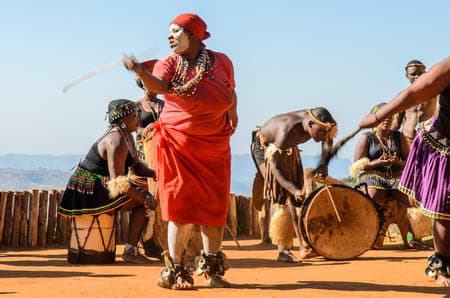
Discover the vibrant markets of Africa where culture, cuisine, and craftsmanship converge.
Image via 123RF
Get in touch with us and we'll get back to you as soon as possible.
Here's what sets us apart from the competition
We deliver exceptional experiences at fair, transparent prices, ensuring every journey offers genuine quality, comfort, and unforgettable adventure without unnecessary costs.
Your journey is crafted around your interests, pace, and travel style, giving you a custom-made adventure that feels authentic, meaningful, and entirely your own.
From planning to your final day of travel, our dedicated team is available to guide, assist, and ensure your trip runs smoothly and stress-free.
Find answers to common questions
Wear modest, comfortable clothing that covers shoulders and knees, bring a hat and water, ask your guide about photography etiquette, and carry small cash for local purchases or community contributions as advised by your guide.
Yes - Zimtrek designs tailor-made cultural activities that consider family-friendly pacing, child-appropriate interactions, and accessibility requirements, coordinating with partners to accommodate mobility limitations where possible.
Zimtrek can include visits to local villages, guided cultural walks, traditional music and dance performances, community-run projects, and markets to provide authentic insights into local life while supporting community partners.
Zimtrek works with vetted community partners and local guides who follow ethical visit protocols, ensure fair compensation, and design interactions that respect local customs and privacy while contributing to community income streams.
English is widely spoken in many tourism areas, and Zimtrek arranges local guides or interpreters when needed to facilitate meaningful exchanges and help navigate cultural nuances.
In This Article
Cultural Insights
Unique Offerings
Travel Tips
Local markets in Africa are vibrant hubs of cultural exchange, offering travelers a chance to engage with the continent's rich heritage. From bustling city bazaars to quaint village markets, these places are where traditional crafts meet modern trade, providing a sensory feast of colors, sounds, and aromas.
Visiting local markets is not just about shopping; it's about immersing yourself in the daily life of African communities. These markets are a reflection of the local culture, showcasing everything from artisanal crafts to fresh produce. They are excellent places to meet locals, learn about regional traditions, and taste authentic cuisine.
Tip: Always carry small change, as many vendors prefer cash transactions.
African markets are treasure troves of unique items. From Ghana's kente cloths and Kenya's Maasai jewelry to Zimbabwe's intricate stone carvings, each region offers something distinct. Food markets abound with exotic fruits, spices, and local delicacies that provide a true taste of Africa.
| Region | Notable Items | Cultural Significance |
|---|---|---|
| West Africa | Kente Cloth | Symbolizes wealth and status in Ghana. |
| East Africa | Maasai Beadwork | Represents cultural identity and tradition. |
| Southern Africa | Stone Carvings | Reflects Zimbabwe's rich sculpting heritage. |
Walking through these markets, you will encounter a cacophony of sounds from vendors calling out their goods to the rhythmic beats of local music. The vibrant colors of textiles and the aromatic scents of spices create a lively atmosphere that is both overwhelming and exhilarating.
Info: Market days are often on weekends, so plan your visit accordingly to experience the full vibrancy.
Navigating African markets can be an adventure in itself. With narrow alleyways and bustling crowds, it's essential to have a strategy. Start by exploring the outer sections, where you'll typically find food vendors and fresh produce, then delve deeper into the craft and textile areas.
For first-time visitors, it's advisable to visit with a local guide who can help navigate the language barriers and negotiate prices. Always be polite and respectful, as courtesy goes a long way in making interactions pleasant.
Warning: Be cautious of pickpockets in crowded areas. Keep your belongings secure.
One of the highlights of visiting African markets is the opportunity to sample local cuisine. Street food stalls offer a variety of dishes, from spicy samosas to sweet plantains. Don't miss trying local beverages like South Africa's rooibos tea or Nigeria's zobo drink.
| Country | Popular Dish | Description |
|---|---|---|
| Nigeria | Jollof Rice | A spicy, tomato-based rice dish. |
| South Africa | Bunny Chow | A hollowed-out loaf filled with curry. |
| Ghana | Kelewele | Spicy fried plantains. |
Planning a visit to African markets requires some preparation. Research the market schedule and opening hours to avoid disappointment. Some markets may have specific days for different types of goods, so knowing when to go is crucial.
Get in touch with us and we'll get back to you as soon as possible.
Here's what sets us apart
We deliver exceptional experiences at fair, transparent prices, ensuring every journey offers genuine quality, comfort, and unforgettable adventure without unnecessary costs.
Your journey is crafted around your interests, pace, and travel style, giving you a custom-made adventure that feels authentic, meaningful, and entirely your own.
From planning to your final day of travel, our dedicated team is available to guide, assist, and ensure your trip runs smoothly and stress-free.
Don't just take our word for it
Keep reading