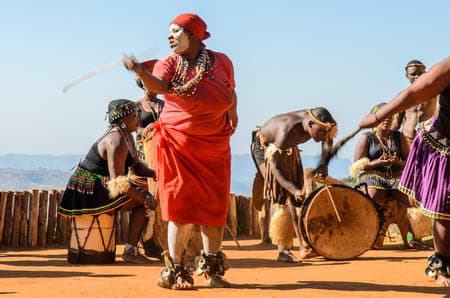
Explore Africa responsibly with eco-friendly practices and authentic experiences.
Image via 123RF
Get in touch with us and we'll get back to you as soon as possible.
Here's what sets us apart from the competition
We deliver exceptional experiences at fair, transparent prices, ensuring every journey offers genuine quality, comfort, and unforgettable adventure without unnecessary costs.
Your journey is crafted around your interests, pace, and travel style, giving you a custom-made adventure that feels authentic, meaningful, and entirely your own.
From planning to your final day of travel, our dedicated team is available to guide, assist, and ensure your trip runs smoothly and stress-free.
Find answers to common questions
Wear modest, comfortable clothing that covers shoulders and knees, bring a hat and water, ask your guide about photography etiquette, and carry small cash for local purchases or community contributions as advised by your guide.
Yes - Zimtrek designs tailor-made cultural activities that consider family-friendly pacing, child-appropriate interactions, and accessibility requirements, coordinating with partners to accommodate mobility limitations where possible.
Zimtrek can include visits to local villages, guided cultural walks, traditional music and dance performances, community-run projects, and markets to provide authentic insights into local life while supporting community partners.
Zimtrek works with vetted community partners and local guides who follow ethical visit protocols, ensure fair compensation, and design interactions that respect local customs and privacy while contributing to community income streams.
English is widely spoken in many tourism areas, and Zimtrek arranges local guides or interpreters when needed to facilitate meaningful exchanges and help navigate cultural nuances.
In This Article
Eco-Friendly Accommodations
Ethical Wildlife Tourism
Community-Based Initiatives
Sustainable travel in Africa is more than just a trend; it's a commitment to preserving the continent's unique environments and cultures. With its vast landscapes, diverse wildlife, and rich cultural heritage, Africa offers travellers an opportunity to explore while making a positive impact. Sustainable travel means minimizing your carbon footprint, supporting local economies, and engaging in ethical wildlife tourism.
Tourism is a major contributor to Africa's economy, but it can also lead to environmental degradation and cultural disruption if not managed responsibly. Sustainable travel supports conservation efforts, ensures that local communities benefit economically, and preserves cultural integrity. By choosing sustainable options, travellers help protect Africa's biodiversity and promote equitable development. Cultural experiences are integral to this journey.
Tip: Look for eco-certified lodges and tour operators committed to sustainability.
Many lodges and camps across Africa are leading the way in sustainability by implementing eco-friendly practices. These include solar power, waste reduction, water conservation, and support for local communities. Staying at eco-lodges not only reduces environmental impact but also provides opportunities to learn about local conservation efforts.
| Lodge | Location | Eco-Friendly Practices |
|---|---|---|
| Chumbe Island Coral Park | Zanzibar, Tanzania | Solar energy, marine conservation |
| Bushcamp Company | South Luangwa, Zambia | Community development, solar power |
| Sossusvlei Desert Lodge | Namibia | Water recycling, sustainable architecture |
Wildlife tourism is a highlight for many visitors to Africa, but it must be conducted ethically to ensure the wellbeing of animals. Ethical wildlife tourism involves respecting animals in their natural habitats, supporting sanctuaries that are committed to conservation, and avoiding activities that exploit or harm wildlife. Taking part in ethical wildlife tourism is essential for a sustainable experience.
Info: Choose tours that prioritize animal welfare and avoid activities like riding elephants or petting large cats.
Community-based tourism ensures that the benefits of travel reach local populations. By engaging with local communities, travellers can experience authentic cultural exchanges while contributing to economic development. These initiatives often include guided tours, cultural performances, and workshops led by local artisans.
When tourists engage with local communities, they support the preservation of cultural heritage and empower locals to maintain their traditional ways of life. This type of tourism fosters mutual respect and understanding, creating meaningful connections between travellers and hosts.
| Project | Location | Focus |
|---|---|---|
| Maasai Mara Eco-Camp | Kenya | Cultural tours, wildlife conservation |
| Ngoma Crafts Cooperative | Zimbabwe | Handicrafts, cultural preservation |
| San Rock Art Centre | South Africa | Heritage tours, art workshops |
Sustainable travel requires conscious choices and actions. Here are some practical tips to minimize your impact: Choose environmentally-friendly transportation options, such as bicycle rentals and public transit.
Warning: Avoid purchasing products made from endangered species or materials that contribute to deforestation.
Get in touch with us and we'll get back to you as soon as possible.
Here's what sets us apart
We deliver exceptional experiences at fair, transparent prices, ensuring every journey offers genuine quality, comfort, and unforgettable adventure without unnecessary costs.
Your journey is crafted around your interests, pace, and travel style, giving you a custom-made adventure that feels authentic, meaningful, and entirely your own.
From planning to your final day of travel, our dedicated team is available to guide, assist, and ensure your trip runs smoothly and stress-free.
Don't just take our word for it
Keep reading