Uncover the intriguing aspects of Zimbabwe's culture, history, and natural wonders.
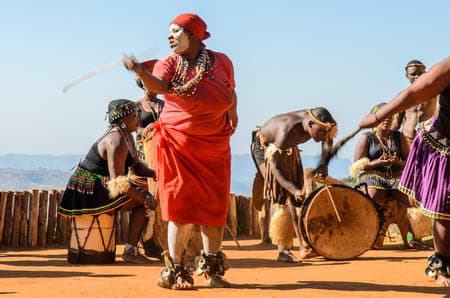
Image via 123RF
Get in touch with us and we'll get back to you as soon as possible.
Here's what sets us apart from the competition
We deliver exceptional experiences at fair, transparent prices, ensuring every journey offers genuine quality, comfort, and unforgettable adventure without unnecessary costs.
Your journey is crafted around your interests, pace, and travel style, giving you a custom-made adventure that feels authentic, meaningful, and entirely your own.
From planning to your final day of travel, our dedicated team is available to guide, assist, and ensure your trip runs smoothly and stress-free.
Find answers to common questions
Wear modest, comfortable clothing that covers shoulders and knees, bring a hat and water, ask your guide about photography etiquette, and carry small cash for local purchases or community contributions as advised by your guide.
Yes - Zimtrek designs tailor-made cultural activities that consider family-friendly pacing, child-appropriate interactions, and accessibility requirements, coordinating with partners to accommodate mobility limitations where possible.
Zimtrek can include visits to local villages, guided cultural walks, traditional music and dance performances, community-run projects, and markets to provide authentic insights into local life while supporting community partners.
Zimtrek works with vetted community partners and local guides who follow ethical visit protocols, ensure fair compensation, and design interactions that respect local customs and privacy while contributing to community income streams.
English is widely spoken in many tourism areas, and Zimtrek arranges local guides or interpreters when needed to facilitate meaningful exchanges and help navigate cultural nuances.
In This Article
Ancient Mysteries
Cultural Richness
Wildlife Wonders
One of the most intriguing aspects of Zimbabwe is its ancient ruins, known as the Great Zimbabwe Ruins. Located in the southeastern hills of the country, these ruins date back to the 11th century and stand as a testament to a once thriving civilization. Stretching over 1,800 acres, the site was once the capital of the Kingdom of Zimbabwe during the country's Late Iron Age.
The Great Zimbabwe Ruins are renowned for the impressive stone structures built without mortar, showcasing the architectural ingenuity of its creators. The most famous of these structures is the Great Enclosure, which features a massive stone wall over five meters high and an enigmatic conical tower. The ruins are a UNESCO World Heritage Site and continue to draw archaeologists and tourists alike, eager to uncover the secrets of this ancient society.
Did You Know? The word 'Zimbabwe' means 'houses of stone', reflecting the country's rich architectural heritage.
Zimbabwe is home to a mosaic of ethnic groups, each contributing to the country's vibrant cultural landscape. The largest ethnic groups include the Shona, who make up about 70% of the population, and the Ndebele, who account for around 20%. Each group has its own language, customs, and art forms, adding to the country's cultural richness.
Traditional music and dance are integral parts of Zimbabwean culture, with the mbira (thumb piano) playing a central role in Shona music. Festivals such as the Harare International Festival of the Arts (HIFA) celebrate this diversity, showcasing performances from local and international artists.
Tip: Experience Zimbabwe's culture firsthand by visiting local markets and participating in community events.
Zimbabwe is renowned for its rich biodiversity, making it a top destination for wildlife enthusiasts. The country is home to numerous national parks, including Hwange National Park, which is the largest and hosts a vast array of wildlife such as elephants, lions, and rhinos.
Zimbabwe has made significant strides in wildlife conservation, with community-based initiatives playing a crucial role. The CAMPFIRE program (Communal Areas Management Programme for Indigenous Resources) empowers local communities to manage wildlife resources sustainably, offering them incentives to protect the environment.
Warning: While visiting wildlife areas, always follow local guidelines to ensure both your safety and the protection of the animals.
| Park | Key Features | Wildlife Highlights |
|---|---|---|
| Hwange National Park | Largest park, diverse habitats | Elephants, lions, giraffes |
| Mana Pools National Park | UNESCO World Heritage Site | Hippos, crocodiles, wild dogs |
| Matobo National Park | Balancing rock formations | Black eagles, rhinos |
Zimbabwe's geography is as diverse as its culture, featuring landscapes that range from rolling savannahs to lush riverine forests. The country is landlocked, bordered by South Africa, Botswana, Mozambique, and Zambia, and is home to several significant geographical features.
The Eastern Highlands, bordering Mozambique, offer a stunning contrast with their misty mountains and waterfalls. This region is known for its cooler climate, making it a popular retreat for those seeking respite from the heat of the lowlands. The Zambezi River forms the northern border and is a major highlight, providing opportunities for thrilling activities like white-water rafting and fishing.
Did You Know? Zimbabwe's highest point, Mount Nyangani, stands at 2,592 meters and offers breathtaking views.
Zimbabwe's economy is primarily based on agriculture and mining, with both sectors playing crucial roles in the country's development. Agriculture employs about 70% of the population, with major crops including tobacco, maize, and cotton. The country's fertile soils and favorable climate make it a key player in the agricultural sector.
Mining is another significant contributor, with Zimbabwe being rich in mineral resources such as gold, platinum, and diamonds. The mining sector attracts considerable foreign investment and is vital for the country's export earnings.
Tip: Visit local farms and mines to gain firsthand experience of Zimbabwe's economic activities.
Zimbabwean cuisine is a delightful blend of traditional African flavors and colonial influences. Staple foods include sadza (a type of maize porridge), nyama (meat), and a variety of vegetables. Meals are often accompanied by relishes made from tomatoes, onions, and greens.
One of the most popular dishes is 'sadza nenyama', which combines the staple maize porridge with meat and gravy. Zimbabweans also enjoy snacks like 'maputi' (popped corn) and 'chikanda' (a traditional cake made from wild orchids).
Warning: Be mindful of food allergies, especially when trying local dishes for the first time.
| Dish | Ingredients | Description |
|---|---|---|
| Sadza | Maize meal | A staple porridge served with various relishes. |
| Nyama | Beef, lamb, chicken | Grilled or stewed meat, often served with sadza. |
| Maputi | Corn | A popular snack of popped corn kernels. |
Get in touch with us and we'll get back to you as soon as possible.
Here's what sets us apart
We deliver exceptional experiences at fair, transparent prices, ensuring every journey offers genuine quality, comfort, and unforgettable adventure without unnecessary costs.
Your journey is crafted around your interests, pace, and travel style, giving you a custom-made adventure that feels authentic, meaningful, and entirely your own.
From planning to your final day of travel, our dedicated team is available to guide, assist, and ensure your trip runs smoothly and stress-free.
Don't just take our word for it
Keep reading