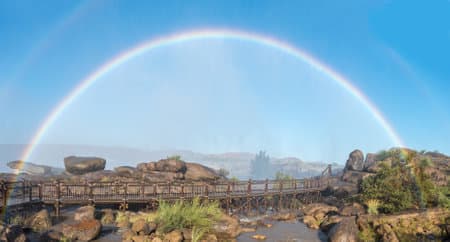
Explore Namibia's diverse landscapes and wildlife by visiting at the right time of year.
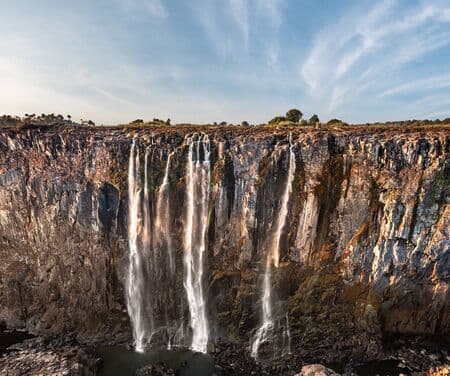
Image via 123RF
Get in touch with us and we'll get back to you as soon as possible.
Here's what sets us apart from the competition
We deliver exceptional experiences at fair, transparent prices, ensuring every journey offers genuine quality, comfort, and unforgettable adventure without unnecessary costs.
Your journey is crafted around your interests, pace, and travel style, giving you a custom-made adventure that feels authentic, meaningful, and entirely your own.
From planning to your final day of travel, our dedicated team is available to guide, assist, and ensure your trip runs smoothly and stress-free.
Find answers to common questions
The falls are often most dramatic in the months following the rainy season, approximately February to May, when river levels are high, though flow varies year to year and sections of the falls can be affected by seasonal changes.
The dry season (typically May to October) usually offers the best wildlife viewing as animals concentrate around water sources and vegetation is sparser, improving visibility; specific peak months vary by country and ecosystem.
Birdwatching is excellent during the rainy and post-rainy seasons (roughly October to April) when migrant and breeding species are present and many birds are displaying; timing can vary by species and region.
Consider shoulder seasons (just before or after peak dry season) for fewer visitors while still good wildlife viewing and pleasant weather; tailor timing to your target country and activities, as peak periods differ between national parks and coastal areas.
June to October and late December to February are commonly preferred for beach holidays due to drier, sunnier conditions and calmer seas, while the long rains (March-May) and short rains (October-December) may bring heavier showers.
In This Article
Dry Season Highlights
Wet Season Wonders
Travel Planning Advice
Namibia offers a unique travel experience with its stunning deserts, wildlife, and cultural richness. Visiting at the right time can enhance your experience, whether you're a wildlife enthusiast, photographer, or adventurer.
Namibia's climate is primarily arid, with variations depending on the region. The country experiences distinct seasons that can significantly affect travel conditions, wildlife visibility, and overall experiences.
Namibia has two main seasons: the dry season and the wet season. The dry season typically runs from May to October, offering cooler temperatures and great wildlife viewing opportunities. The wet season occurs from November to April, characterized by higher temperatures and occasional rains.
| Month | Season | Temperature (°C) | Rainfall (mm) |
|---|---|---|---|
| January | Wet | 20-34 | 80-120 |
| July | Dry | 7-22 | 0-5 |
Understanding these climate patterns can help you decide when to visit, depending on your interests and the experiences you seek. For a more tailored experience, consider reading about the optimal times to explore Africa.
The dry season is often considered the best time for wildlife viewing. Animals gather around waterholes, making sightings more predictable and rewarding. This is an excellent time for safaris, especially in Etosha National Park.
Tip: The cool, dry conditions also make it ideal for exploring the iconic Sossusvlei dunes and the dramatic landscapes of the Skeleton Coast.
While the wet season may not be ideal for everyone, it offers unique opportunities for those interested in bird watching and lush landscapes.
The wet season brings migratory birds to Namibia. This period is perfect for ornithologists and bird enthusiasts, with the Caprivi Strip being a hotspot for diverse species.
Rain transforms Namibia’s deserts into vibrant stretches of greenery. Photographers can capture stunning contrasts between the lush vegetation and arid desert backdrops.
Info: The normally dry riverbeds, known as ephemeral rivers, may flow, creating temporary waterfalls and attracting wildlife.
Traveling in the wet season requires careful planning. Some roads may be challenging to navigate due to rain, and certain remote areas might become inaccessible.
It's crucial to ensure your vehicle is well-equipped for such conditions or consider booking tours with experienced guides who know how to manage these challenges. Travel safety tips can be very helpful in this context.
| Region | Accessibility | Best for |
|---|---|---|
| Etosha | Easy (dry season) | Wildlife |
| Caprivi | Moderate | Birding |
Whether you choose the dry or wet season, ensure you pack appropriately. Light, breathable clothing is essential, and layers are recommended for cooler mornings and evenings.
Booking accommodations in advance is advisable, especially during the dry season when lodges can fill up quickly.
Get in touch with us and we'll get back to you as soon as possible.
Here's what sets us apart
We deliver exceptional experiences at fair, transparent prices, ensuring every journey offers genuine quality, comfort, and unforgettable adventure without unnecessary costs.
Your journey is crafted around your interests, pace, and travel style, giving you a custom-made adventure that feels authentic, meaningful, and entirely your own.
From planning to your final day of travel, our dedicated team is available to guide, assist, and ensure your trip runs smoothly and stress-free.
Don't just take our word for it
Keep reading