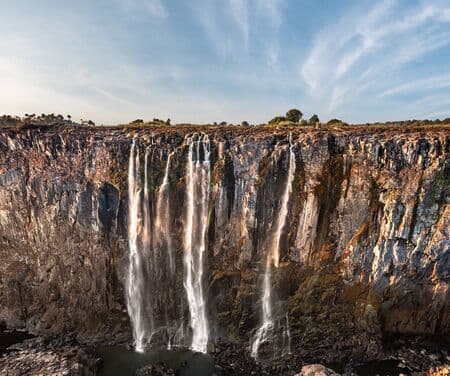
Explore how seasonal changes impact wildlife viewing at Victoria Falls.
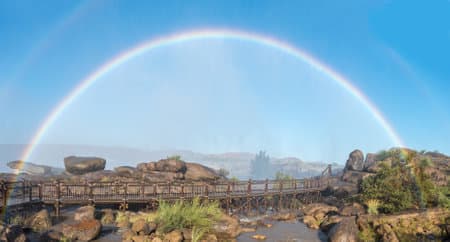
Get in touch with us and we'll get back to you as soon as possible.
Here's what sets us apart from the competition
We deliver exceptional experiences at fair, transparent prices, ensuring every journey offers genuine quality, comfort, and unforgettable adventure without unnecessary costs.
Your journey is crafted around your interests, pace, and travel style, giving you a custom-made adventure that feels authentic, meaningful, and entirely your own.
From planning to your final day of travel, our dedicated team is available to guide, assist, and ensure your trip runs smoothly and stress-free.
Find answers to common questions
The falls are often most dramatic in the months following the rainy season, approximately February to May, when river levels are high, though flow varies year to year and sections of the falls can be affected by seasonal changes.
The dry season (typically May to October) usually offers the best wildlife viewing as animals concentrate around water sources and vegetation is sparser, improving visibility; specific peak months vary by country and ecosystem.
Birdwatching is excellent during the rainy and post-rainy seasons (roughly October to April) when migrant and breeding species are present and many birds are displaying; timing can vary by species and region.
Consider shoulder seasons (just before or after peak dry season) for fewer visitors while still good wildlife viewing and pleasant weather; tailor timing to your target country and activities, as peak periods differ between national parks and coastal areas.
June to October and late December to February are commonly preferred for beach holidays due to drier, sunnier conditions and calmer seas, while the long rains (March-May) and short rains (October-December) may bring heavier showers.
In This Article
Seasonal Wildlife Changes
Best Times for Birdwatching
Planning Tips
Victoria Falls is not only a breathtaking natural wonder but also a thriving ecosystem teeming with wildlife. The falls themselves are affected dramatically by seasonal changes, which in turn influence wildlife behavior and viewing opportunities. Understanding these seasonal changes is essential for maximizing your wildlife spotting experiences.
The Zambezi River, which feeds Victoria Falls, experiences significant fluctuations in water levels throughout the year. These changes not only affect the appearance of the falls but also the surrounding habitats. During the high water season, from March to May, the falls are at their most thunderous and misty, creating a spectacular visual display but potentially limiting wildlife visibility.
Tip: Visit during the shoulder months for a balance between impressive water flow and wildlife visibility.
The surrounding rainforest and savannah areas also change with the water levels. During the dry season, from June to October, water sources become scarce, drawing animals such as elephants and buffalo to the riverbanks. This is an excellent time for wildlife spotting as animals congregate around the remaining water sources. This season offers more opportunities.
| Season | Water Levels | Wildlife Visibility |
|---|---|---|
| High (Mar-May) | Very High | Low |
| Dry (Jun-Oct) | Low | High |
| Shoulder (Nov-Feb) | Moderate | Moderate |
Birdwatching is another popular activity at Victoria Falls, with over 400 species recorded in the area. The best time for birding is during the wet season from November to March, when migratory birds arrive. However, during the dry season, the reduced foliage makes it easier to spot resident species.
Info: Look out for the African Fish Eagle, a common sight around the falls.
Various factors can influence the ease and success of wildlife spotting at Victoria Falls. These include not only seasonal changes but also daily temperature variations and visitor numbers. Understanding these factors can help in planning a successful visit.
Temperature plays a critical role in determining wildlife activity. During the hotter months, animals are more likely to be active during the cooler early morning and late afternoon hours. Planning your wildlife excursions during these times can enhance your chances of spotting elusive species.
Warning: Midday heat can be intense. Ensure you stay hydrated and protected from the sun.
Victoria Falls is a popular destination, and visitor numbers fluctuate throughout the year. High tourist traffic can sometimes affect wildlife behavior, particularly in areas close to popular viewpoints. Visiting during less crowded periods can provide a more intimate and rewarding wildlife experience.
| Month | Visitor Traffic | Wildlife Impact |
|---|---|---|
| January | Low | Minimal |
| July | High | Moderate |
| November | Moderate | Low |
To make the most of your wildlife spotting adventure at Victoria Falls, consider working with local guides who possess in-depth knowledge of animal habits and local conditions. This insight can provide a richer and more fulfilling experience.
Tip: Engage with Zimtrek Travel for tailor-made wildlife tours that suit your interests and schedule.
Whether you are an avid birdwatcher, a wildlife photographer, or simply a nature enthusiast, understanding the seasonal dynamics of Victoria Falls can greatly enhance your visit. Each season offers unique opportunities and challenges, and aligning your visit with your specific interests can lead to a truly memorable experience.
Get in touch with us and we'll get back to you as soon as possible.
Here's what sets us apart
We deliver exceptional experiences at fair, transparent prices, ensuring every journey offers genuine quality, comfort, and unforgettable adventure without unnecessary costs.
Your journey is crafted around your interests, pace, and travel style, giving you a custom-made adventure that feels authentic, meaningful, and entirely your own.
From planning to your final day of travel, our dedicated team is available to guide, assist, and ensure your trip runs smoothly and stress-free.
Don't just take our word for it
Keep reading