Discover how conservation travel shapes Africa's future while offering unique experiences.
Get in touch with us and we'll get back to you as soon as possible.
Here's what sets us apart from the competition
We deliver exceptional experiences at fair, transparent prices, ensuring every journey offers genuine quality, comfort, and unforgettable adventure without unnecessary costs.
Your journey is crafted around your interests, pace, and travel style, giving you a custom-made adventure that feels authentic, meaningful, and entirely your own.
From planning to your final day of travel, our dedicated team is available to guide, assist, and ensure your trip runs smoothly and stress-free.
Find answers to common questions
Wear modest, comfortable clothing that covers shoulders and knees, bring a hat and water, ask your guide about photography etiquette, and carry small cash for local purchases or community contributions as advised by your guide.
Yes - Zimtrek designs tailor-made cultural activities that consider family-friendly pacing, child-appropriate interactions, and accessibility requirements, coordinating with partners to accommodate mobility limitations where possible.
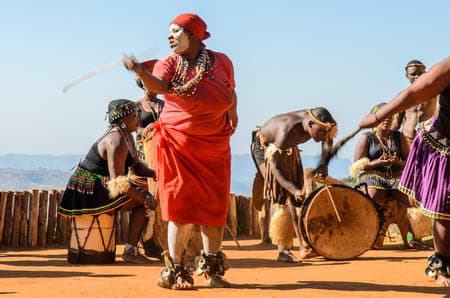
Zimtrek can include visits to local villages, guided cultural walks, traditional music and dance performances, community-run projects, and markets to provide authentic insights into local life while supporting community partners.
Zimtrek works with vetted community partners and local guides who follow ethical visit protocols, ensure fair compensation, and design interactions that respect local customs and privacy while contributing to community income streams.
English is widely spoken in many tourism areas, and Zimtrek arranges local guides or interpreters when needed to facilitate meaningful exchanges and help navigate cultural nuances.
In This Article
Conservation's Role
Key Destinations
Planning Tips
Conservation travel in Africa is more than just visiting iconic wildlife destinations; it's about making a difference while exploring the continent's diverse ecosystems. This form of travel combines tourism with initiatives that protect natural habitats, wildlife, and cultural heritage. By choosing sustainable travel in Africa, you are not only witnessing Africa's beauty but also contributing to its preservation.
Conservation travel supports sustainable practices that benefit both wildlife and local communities.
Conservation travel allows visitors to engage with projects that aim to restore ecosystems and protect endangered species. These initiatives often involve collaboration with local communities, ensuring that tourism provides economic benefits and empowers residents to participate in conservation efforts. From funding anti-poaching units to supporting reforestation projects, the impact of conservation travel is significant.
Africa's vast landscapes offer numerous opportunities for conservation-focused travel. In Zimbabwe, Hwange National Park is renowned for its elephant conservation projects. Botswana's Okavango Delta is another prime location, where efforts focus on preserving the delicate balance of its aquatic ecosystems. Namibia's Damaraland offers a chance to engage in green travel in Africa through rhino tracking and conservation activities.
| Destination | Conservation Focus |
|---|---|
| Hwange National Park, Zimbabwe | Elephant conservation and anti-poaching |
| Okavango Delta, Botswana | Aquatic ecosystem preservation |
| Damaraland, Namibia | Rhino tracking and conservation |
These destinations are not only about wildlife viewing but also about participating in activities that leave a lasting positive impact. By engaging in conservation travel, visitors can help ensure sustainable tourism in Africa, these environments remain intact for future generations.
Planning a conservation-focused trip requires careful consideration of the destinations and projects that align with your values. Look for travel companies like Zimtrek Travel that work closely with conservation organizations and local communities to ensure your travel contributes positively.
When selecting conservation projects to engage with, consider factors such as sustainability, community involvement, and the long-term impact of the initiatives. Projects that focus on habitat restoration, wildlife research, and education tend to offer meaningful contributions. Ensure that the projects are transparent about their goals and how they utilize resources.
Logistics are a crucial part of any trip, and conservation travel is no exception. Consider the availability of eco-friendly accommodations that minimize environmental impact. Zimtrek Travel partners with lodges and camps that adhere to sustainable practices, providing a comfortable yet responsible travel experience.
| Factor | Consideration |
|---|---|
| Accommodation | Eco-friendly options with minimal footprint |
| Transportation | Use of low-emission vehicles |
| Community Engagement | Involvement and benefit sharing |
Conservation travel can be tailored to suit different types of travelers. Whether you're looking for luxury lodges that support conservation efforts or prefer a hands-on experience with local projects, there are options available: Embracing Responsible Travel in Africa.
Zimtrek Travel offers personalized itineraries to match your conservation interests.
Get in touch with us and we'll get back to you as soon as possible.
Here's what sets us apart
We deliver exceptional experiences at fair, transparent prices, ensuring every journey offers genuine quality, comfort, and unforgettable adventure without unnecessary costs.
Your journey is crafted around your interests, pace, and travel style, giving you a custom-made adventure that feels authentic, meaningful, and entirely your own.
From planning to your final day of travel, our dedicated team is available to guide, assist, and ensure your trip runs smoothly and stress-free.
Don't just take our word for it
Keep reading