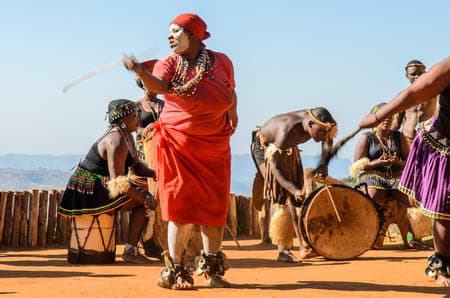
Explore the diverse and vibrant communities across the African continent.
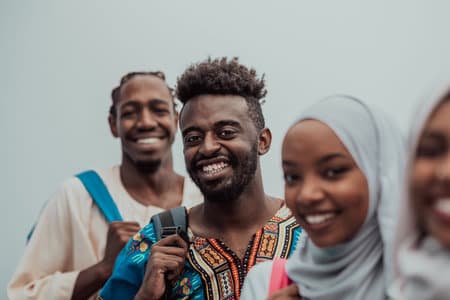
Image via 123RF
Get in touch with us and we'll get back to you as soon as possible.
Here's what sets us apart from the competition
We deliver exceptional experiences at fair, transparent prices, ensuring every journey offers genuine quality, comfort, and unforgettable adventure without unnecessary costs.
Your journey is crafted around your interests, pace, and travel style, giving you a custom-made adventure that feels authentic, meaningful, and entirely your own.
From planning to your final day of travel, our dedicated team is available to guide, assist, and ensure your trip runs smoothly and stress-free.
Find answers to common questions
Wear modest, comfortable clothing that covers shoulders and knees, bring a hat and water, ask your guide about photography etiquette, and carry small cash for local purchases or community contributions as advised by your guide.
Yes - Zimtrek designs tailor-made cultural activities that consider family-friendly pacing, child-appropriate interactions, and accessibility requirements, coordinating with partners to accommodate mobility limitations where possible.
Zimtrek can include visits to local villages, guided cultural walks, traditional music and dance performances, community-run projects, and markets to provide authentic insights into local life while supporting community partners.
Zimtrek works with vetted community partners and local guides who follow ethical visit protocols, ensure fair compensation, and design interactions that respect local customs and privacy while contributing to community income streams.
English is widely spoken in many tourism areas, and Zimtrek arranges local guides or interpreters when needed to facilitate meaningful exchanges and help navigate cultural nuances.
In This Article
Cultural Richness
Social Structures
Development Challenges
Africa is a continent rich in cultural diversity, with each community holding unique traditions, languages, and social structures. A community in Africa is not merely a geographical area but a network of relationships and shared cultural elements. These communities may vary in size from small villages to large urban centers, yet they all share a common sense of identity and belonging.
Traditionally, African communities are built around extended families or clans, where kinship ties play a vital role. Social responsibilities are often shared, and communal living is a common practice. This interconnectedness fosters strong bonds and a sense of unity among community members.
Language is a crucial element in defining a community. Africa is home to over 2,000 languages, each contributing to the cultural richness of the continent. These languages are not just means of communication but are integral to the community's identity, history, and traditions. Cultural practices, such as music, dance, and art, further reflect the community's values and beliefs.
Did you know? The Maasai community in Kenya and Tanzania is renowned for its distinctive attire and traditional rituals, symbolizing their cultural heritage.
Leadership within African communities often follows traditional hierarchies. Elders are typically respected for their wisdom and experience, assuming roles as advisors and decision-makers. In some communities, chiefs or kings serve as political leaders, overseeing the administration and welfare of their people.
Community gatherings, such as village meetings, play a significant role in decision-making processes. These meetings provide a platform for discussion, conflict resolution, and the reinforcement of communal values.
| Community | Location | Cultural Highlights |
|---|---|---|
| Zulu | South Africa | Traditional ceremonies, beadwork |
| Himba | Namibia | Body adornment, pastoral lifestyle |
| Kikuyu | Kenya | Agricultural practices, folklore |
Economies within African communities are diverse and vary depending on the region and available resources. Agriculture is a primary economic activity, with communities cultivating crops such as maize, millet, and cassava. In coastal areas, fishing provides sustenance and income, while pastoralism is common in arid regions.
Trade and commerce also play essential roles, with markets serving as hubs for economic exchange and social interaction. These markets not only facilitate the trade of goods but also strengthen community ties through shared business endeavors.
While African communities are rich in culture and tradition, they face several challenges that impact their growth and development. Issues such as poverty, limited access to education, and healthcare disparities are prevalent in many regions. Addressing these challenges requires a collaborative approach, leveraging both traditional knowledge and modern solutions.
Urbanization and globalization have significantly influenced African communities. Migration to urban centers in search of better opportunities has led to the transformation of traditional communities. While urbanization brings economic growth, it also poses challenges such as the erosion of cultural identities and community structures.
Globalization introduces new cultural practices and technologies, impacting traditional ways of life. Communities must find a balance between preserving cultural heritage and embracing modernity.
Warning: Rapid urbanization can strain resources and infrastructure, leading to social and economic disparities.
Many African communities are actively engaged in development initiatives aimed at improving living conditions and promoting sustainability. These initiatives often focus on education, healthcare, and economic empowerment. Community-based organizations and NGOs play vital roles in implementing programs that address local needs.
Empowering women and youth is a key focus, as they are essential drivers of community development. By providing access to education and entrepreneurial opportunities, communities can foster growth and resilience.
| Initiative | Focus Area | Impact |
|---|---|---|
| Education for All | Educational access | Increased literacy rates |
| Health Outreach | Healthcare services | Improved health outcomes |
| Microfinance Programs | Economic empowerment | Enhanced livelihoods |
Cultural preservation is a priority for many communities, ensuring that traditional practices and values are passed down to future generations. Festivals, storytelling, and cultural education programs are popular methods for preserving cultural heritage. By celebrating their unique identities, communities maintain a sense of pride and continuity.
of African communities engage in cultural preservation activities.
Get in touch with us and we'll get back to you as soon as possible.
Here's what sets us apart
We deliver exceptional experiences at fair, transparent prices, ensuring every journey offers genuine quality, comfort, and unforgettable adventure without unnecessary costs.
Your journey is crafted around your interests, pace, and travel style, giving you a custom-made adventure that feels authentic, meaningful, and entirely your own.
From planning to your final day of travel, our dedicated team is available to guide, assist, and ensure your trip runs smoothly and stress-free.
Don't just take our word for it
Keep reading