We deliver exceptional experiences at fair, transparent prices, ensuring every journey offers genuine quality, comfort, and unforgettable adventure without unnecessary costs.
Personalized Itineraries
Your journey is crafted around your interests, pace, and travel style, giving you a custom-made adventure that feels authentic, meaningful, and entirely your own.
Here for You
From planning to your final day of travel, our dedicated team is available to guide, assist, and ensure your trip runs smoothly and stress-free.
Contact Us
Get in touch with us and we'll get back to you as soon as possible.
What Our Clients Say
Hear from businesses we have helped succeed
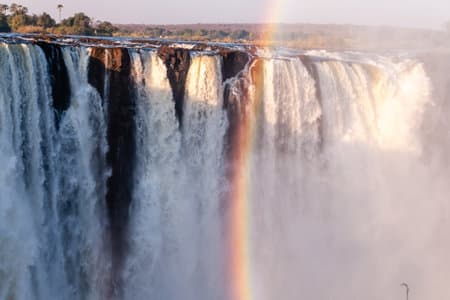
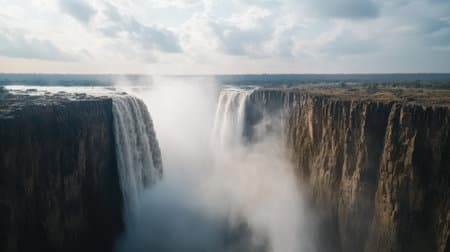
“I had a perfect Christmas holiday in vicfalls, best Christmas ever!!!Very special thanks to zimtrack travels for helping me out with the booking and accommodation, you came in handy your service great,I had a wonderful Stay at Victoria falls Oasis, the place is breathtaking, full of life and warm,their hospitality is top notch 10 out of 10 minus nothing!!!! I'm surely doing this again with you!!”
TM
Tafadzwa Mucheche
Tafadzwa Mucheche
“Zim Trek Travels were great. They sorted our trip to Victoria Falls which was fantastic. The contact and feedback with Peter was amazing. Jim Mc Sorley Harare.”
JM
Jim Mc Sorley
Jim Mc Sorley
“They've planned trips local and abroad and they have become my trip planner!!! Absolutely impressed.”
RM
Rudo Mudzura
Rudo Mudzura
“Zimtrek Travel looked after our family so well. Peter planned and organised our trip to Namibia to perfection. He listened well and selected the best fit accomodation for our needs/requests. I will highly recommend this company.”