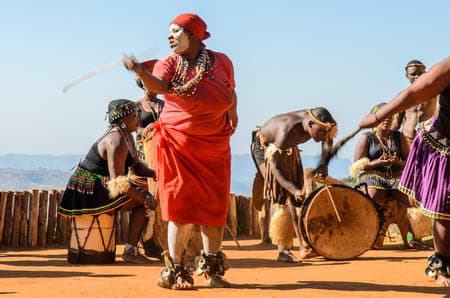
Engaging Cultural Experiences Across Africa: A Practical Guide How to Engage with Local Cultures in Africa The most rewarding cultural trips in Southern Africa start with a simple shift in attitude: treat every encounter as a shared moment, not a performance for visitors. In Zimbabwe, Botswana, Namibia, South Africa, Zambia, Kenya, and Tanzania, cultural experiences often work best when travellers slow down, listen first, and let the setting guide the pace. That might mean spending more time with a craftsperson in a market, arriving early to a community performance so you can learn the context, or accepting that a conversation may begin with greetings before any photos are taken. This approach is especially important when you are combining cultural activities with safari travel, because the strongest memories often come from the in-between moments: a village stop on the way to a lodge, a cooking session after a game drive, or an evening storytelling circle near a campfire. Good cultural engagement is less about collecting experiences and more about understanding the people, place, and protocol behind them. For travellers planning with Zimtrek Travel, the useful question is not just what to see, but how to enter the experience respectfully. That may involve choosing community-led activities where local hosts set the terms, or timing your visit around market days, harvest periods, or regional festivals. It also means recognising that etiquette can differ from one destination to another. In some places, a handshake and a short conversation are part of the welcome; in others, the right first move is waiting for your host to invite you closer. A good local guide can translate not only language but also social rhythm, which is often what turns a standard stop into a meaningful exchange. Steps for Meaningful Cultural Interactions A practical way to approach cultural travel is to prepare, observe, ask, and then participate. First, learn a little about the group or region you will visit so your questions are thoughtful rather than intrusive. Second, observe how locals greet one another, where they stand, when they sit, and whether shoes should come off before entering a home or workshop. Third, ask permission before taking photographs, touching objects, or joining a ritual space. Finally, participate in the activity at the pace your hosts set. In a beadwork demonstration, for example, the value is not only in buying a necklace; it is in understanding why certain colours, patterns, or materials matter to the maker and the community. 4 practical steps make most cultural encounters more respectful and more rewarding: prepare, observe, ask, and participate. The best experiences usually have a clear structure. A morning market visit might begin with a briefing from your host, continue with a guided walk through stalls selling woven baskets, spices, or carved wood, and end with a tasting or short conversation about local trade. An afternoon in a rural homestead may include grinding grain, learning a song, or hearing about family traditions connected to farming, cattle, fishing, or craft. When Zimtrek designs these experiences into an itinerary, the aim is to avoid rushed stopovers that feel extracted and to favour settings where travellers can actually connect. That is especially valuable for small groups, couples, and solo travellers who want more than a quick photo opportunity. It also helps to budget time as carefully as money. Many visitors underestimate how much better an experience becomes when there is space for conversation after the formal demonstration ends. A 45-minute visit can be useful; a two-hour visit often creates room for deeper questions about daily life, education, food, or seasonal work. If you are travelling with children or older relatives, shorter sessions with clear activity points may work better than long, unstructured visits. Zimtrek’s custom planning style is useful here because the rhythm of your trip can be adjusted around your interests instead of forcing you into a fixed template. Good practice Why it matters Example in Southern Africa Ask before photographing Builds trust and avoids discomfort Request permission at a craft market or village visit Buy directly when possible Supports local livelihoods Purchase pottery, textiles, or carvings from the maker Listen first Helps you understand context Hear the story behind a dance, song, or household custom Common Mistakes to Avoid When Engaging Culturally The most common mistake is treating people as an attraction rather than as hosts. That can show up in subtle ways, such as interrupting explanations, bargaining aggressively for handmade items, or turning a ceremony into a fast-moving photo stop. Another error is assuming that one interaction represents an entire country or ethnic group. Southern Africa is culturally layered, and what feels normal in a township arts space in South Africa may be very different from a village gathering in Botswana or a lakeside community in Zambia. A respectful traveller leaves space for those differences instead of trying to flatten them into one neat story. Avoid rushing through cultural visits like a checklist item; speed is one of the easiest ways to miss the meaning of an experience. Another pitfall is bringing expectations shaped by social media rather than by the destination itself. A staged dance, for instance, can be enjoyable and authentic in its own right, but it is not the only form of culture worth seeking. Daily life, food preparation, home architecture, language, and storytelling can be just as revealing. If you only want the most photogenic part of a visit, you may miss the interaction that would have made the day memorable. There is also a practical issue: some travellers forget to carry small cash for community purchases, donations where appropriate, or craft buying. In many places across Africa, local artisans still rely on direct payment in modest amounts, often in US Dollars for travellers crossing borders or visiting tourist circuits where that currency is commonly used as an example reference. Finally, avoid making assumptions about clothing, gender roles, or personal space. A conservative outfit may be more suitable for some religious or rural settings, while comfortable but modest clothing works better in many community contexts. This is not about dressing up for tourists; it is about showing consideration for the people welcoming you. If you are unsure, ask your planner or guide before the visit. That small question can prevent awkwardness and shows that you are taking the encounter seriously. Preparing for Cultural Experiences: A Traveler's Checklist Preparation makes the difference between feeling like an outsider and feeling invited in. Before you travel, read a short background note on the destination, learn a few greetings if feasible, and check whether your activity involves a home visit, workshop, market, performance, or festival. Pack clothing that is comfortable, neat, and adaptable to local expectations. Keep a reusable bottle, a notebook, and a small amount of cash in small notes. If you plan to photograph people or handmade products, bring a camera or phone with enough battery for the day, but be ready to put it away when requested. A well-prepared traveller is more relaxed, and relaxed travellers usually connect more naturally with hosts and guides. Checklist item What to confirm Why it helps Activity type Market, home visit, workshop, performance, or festival Sets the right expectations Dress code Modesty level, footwear, weather suitability Avoids discomfort and shows respect Photo permission Whether photography is welcome and when Prevents awkward moments Payment method Cash needs, tipping norms, craft purchases Makes transactions smoother If you want the trip to feel genuinely personal, align the cultural activities with your broader travel style. Travellers who love wildlife may enjoy a village stop paired with a safari lodge in Zimbabwe or Botswana, while food-focused travellers may prefer market visits, home cooking, and tastings. Those interested in art may want longer time with sculptors, weavers, or musicians, while families may do better with hands-on sessions that keep children engaged. Zimtrek’s strength is arranging these pieces so they work together rather than feeling like separate add-ons. The result is a journey where cultural understanding becomes part of the route, not just a side excursion.
Read more