Zimtrek Travel

Latest Safari & Wildlife Experiences Articles

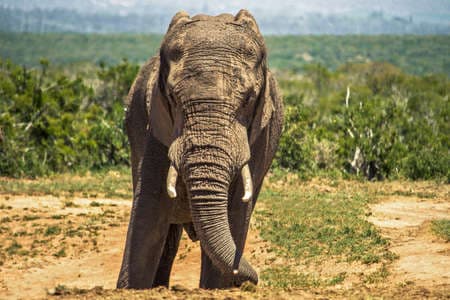
Rare view of an african big and huge elephant (Loxodonta Africana) standing in the middle of savannah bush during a safari in Addo National Park, South AfricaSafari & Wildlife Experiences

Family Safari Packages in Africa: A Tailored Adventure for All Ages

How to create a family safari that actually works for your household A good family safari is less about packing more into the itinerary and more about designing the trip around your children’s ages, attention spans, and the pace your adults can happily sustain. In Southern Africa, that usually means choosing a base with short transfer times, predictable daily rhythms, and a lodge or camp that understands family logistics: adjoining rooms, flexible meal times, child-minding options where available, and guides who can keep game drives interesting without trying to turn every outing into a marathon. For Zimtrek, the strongest family itineraries in Zimbabwe, Botswana, Namibia, South Africa, Zambia, and parts of the wider Southern Africa circuit are built in layers. The first layer is wildlife viewing. The second is recovery time, because families need afternoons for swimming, naps, board games, or simply watching birds from a deck. The third is movement planning: fewer border crossings, shorter road transfers, and a sensible mix of flying and driving when the route is long. That balance is what keeps the trip enjoyable rather than tiring. The best family safaris are usually built around one or two strong regions, not a rushed multi-country dash. In Southern Africa, less movement often means more actual holiday. Family goal What to prioritise Best fit in Southern Africa First safari with young children Short drives, pool, flexible meals Private reserves near Kruger or easy-access safari lodges in South Africa Multi-generational trip Family suites, mixed activity levels Victoria Falls plus Chobe or a Cape-and-safari combination Older children or teens Ranger skills, walking, boating, photography Botswana, Namibia, or game-rich private concessions Understanding family needs and interests The most common planning mistake is assuming a family is a single travel type. In reality, one child may want animals, another may want a swimming pool, and grandparents may value comfort and low walking distances. Good planning starts by separating needs into non-negotiables and nice-to-haves. Non-negotiables might include two rooms, air conditioning, child-friendly food, or a malaria-conscious route. Nice-to-haves could be a junior ranger activity, a boat cruise, or a sundowner deck. Zimtrek’s planning style is useful here because it is tailor-made rather than package-led. That allows the itinerary to match the actual family dynamic. A family with under-fives needs more stable lodges and less vehicle time. A family with teenagers may want a bush walk, photographic hides, or a day split between wildlife and adrenaline activities near Victoria Falls. A family with mixed ages may need one lodge that works as a base and one night in a different setting to keep everyone engaged. If one child gets bored quickly, avoid stacking back-to-back dawn and sunset drives. Build in one anchor activity per day and let the rest of the day breathe. Choosing family-friendly destinations without overcomplicating the route In Southern Africa, the most practical family safari destinations are the ones that combine reliable wildlife viewing with straightforward access and good family accommodation. South Africa often works well for first-timers because of self-drive flexibility in some areas and a wide range of lodges. Botswana suits families who want a more exclusive-feeling wilderness experience, especially where private guides and boating safaris add variety. Zimbabwe is strong for combining wildlife with Victoria Falls, while Zambia offers excellent bush-and-river combinations in the right season. Namibia works particularly well for families who like open landscapes, road trips, and a slower travel rhythm. The right choice depends on the family’s tolerance for driving, wildlife expectations, and comfort level. For example, if you want less time in transit and more certainty around lodge standards, a compact South Africa safari plus a city stay is often easier. If you want a more immersive bush feel and can handle a higher cost per night, Botswana’s smaller camps can be a better match. If the family wants iconic scenery and a natural add-on, Victoria Falls pairs well with several nearby safari areas and gives non-wildlife days a strong reason to exist. 3 The most useful family planning variables: age range, transfer length, and whether the lodge can flex around naps and meals. Planning activities for different age groups Younger children usually do best with short drives, frequent breaks, and activities that give them a mission: animal tracking cards, identifying spoor, or learning the difference between a kudu and an impala. Primary-school children can handle more time on safari if the guide is good at storytelling and the itinerary includes a clear reward such as a pool session or a picnic. Teenagers often prefer a more active role, which is why photography, canoeing where safe and appropriate, or guided nature walks can work better than long passive drives. A practical itinerary should not force every generation into the same mould. The best lodges and camps can sometimes split a family’s day: some people join the morning game drive while others sleep in; younger children might do a short guided activity while adults take a longer excursion. That flexibility matters more than trying to find one activity everyone will love equally. Safety considerations for family safaris Safety starts with honest route selection. Families should choose destinations and lodges that clearly explain age restrictions, vehicle rules, pool supervision, and movement around camp. In wildlife areas, the key is not to treat a safari lodge like a hotel in town: children need supervision near open decks, around fire pits, and when moving between rooms and the main area. Seating children properly in vehicles and respecting guide instructions is also essential. Health planning matters too, especially when travelling across Southern Africa with children. Families should check seasonal health considerations for the exact route, keep a simple medication kit, and allow room in the schedule for fatigue. Zimtrek typically recommends choosing lodges with clear communication on meal timing, room layouts, and transfer arrangements so families can focus on the experience rather than solving practical problems on arrival.

Oct 9, 202610 min read
Read more
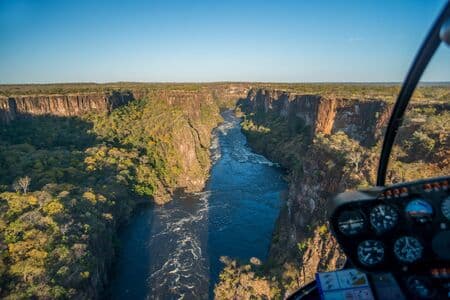
victoria falls helicopter safariSafari & Wildlife Experiences

Couples Safari: Your Guide to Romantic Adventures in Southern Africa

Why Choose a Couples Safari? A couples safari works so well because it blends two very different travel moods into one trip: shared adventure in the bush and quiet time to reconnect. In Southern Africa, that balance is especially strong. A game drive in Botswana can end with sundowners on a riverbank, a private tented camp can feel intimate without being isolating, and a few days near Victoria Falls can add a relaxed, scenic finish to an otherwise wildlife-focused itinerary. For many travellers, that mix is more meaningful than a standard beach break because every day gives you something to talk about, photograph, and remember together. The best couples itineraries are not built around “doing everything”; they are built around pace. Zimtrek often finds that two to four well-chosen destinations create a better romantic rhythm than trying to fit in too many flights, transfers, and packed activity days. That could mean pairing a Delta camp in Botswana with a quiet lodge in Victoria Falls, or combining safari and desert scenery in Namibia. The point is not just romance in the obvious sense. It is also about ease: fewer logistics, smoother transitions, and accommodation that gives you privacy, good service, and space to enjoy the experience together. The strongest couples itineraries in Southern Africa usually balance two styles: wildlife immersion and one memorable non-safari highlight, such as a river cruise, falls visit, or scenic lodge stay. Top Romantic Safari Destinations in Southern Africa Botswana is a standout for couples who value privacy, space, and exceptional guiding. The Okavango Delta is known for water-based wilderness, intimate camps, and peaceful surroundings, while Chobe works well for couples who want abundant elephant viewing combined with easy access from Victoria Falls. In Botswana, the romance comes from the atmosphere: fewer crowds, excellent wildlife concentrations in the right areas, and camps that often feel designed for unhurried time together. Zimbabwe offers a different but equally appealing style. Victoria Falls is one of the region’s best places to mix adventure with romance because couples can move from a sunrise activity to an elegant dinner, then sleep in a lodge with river or gorge views. Hwange is a strong option for those who want a classic safari feel without sacrificing comfort, and it can be combined neatly with the Falls. Namibia suits couples who enjoy dramatic landscapes as much as wildlife; the desert light, long horizons, and remote lodges create a very cinematic trip. South Africa can work well for first-time safari travellers who want easy flights, strong lodge infrastructure, and the option to combine safari with wine country or a city stay, while Zambia is ideal for couples who like a more adventurous, slightly wilder feeling around the Zambezi and Livingstone area. Destination Best for couples who want Why it works Botswana Privacy and premium wilderness Intimate camps, low-density tourism, excellent safari atmosphere Zimbabwe Safari plus Victoria Falls Easy pairing of wildlife, scenic stays, and iconic experiences Namibia Scenery and solitude Wide open landscapes and a slower, more reflective pace South Africa Convenience and variety Smooth logistics and easy add-ons beyond the safari Unique Experiences to Foster Connection The most memorable couple-focused trips are usually built around a few carefully chosen experiences rather than a long activity list. Private game drives are a strong starting point because they let you set the pace, linger at sightings, and enjoy the day without feeling rushed by a larger group. A sunrise drive followed by breakfast in camp is especially effective for honeymooners and anniversary travellers because it creates a natural sense of occasion without needing anything staged. Other experiences that work particularly well include river cruises, outdoor dinners under the stars, spa treatments at lodge level, guided walks for active couples, and scenic flights where available. In Victoria Falls, couples often enjoy combining a high-energy activity such as a helicopter flight or white-water rafting day with slower moments at a lodge or sunset cruise on the Zambezi. In Botswana, water safaris and mokoro-style experiences in suitable areas create a very calm, immersive rhythm. For couples who like photography, a private guide can also help structure game drives around light, landscape, and patience rather than just distance covered. 2-4 Well-chosen destinations usually make a couples safari feel more relaxed than a longer, rushed itinerary.

Oct 8, 20268 min read
Read more
Rare view of an african big and huge elephant (Loxodonta Africana) standing in the middle of savannah bush during a safari in Addo National Park, South AfricaSafari & Wildlife Experiences

Victoria Falls Wildlife Tours: Your Guide to Unique Experiences

How to Choose the Perfect Wildlife Tour Choosing a wildlife tour near Victoria Falls is less about finding the longest itinerary and more about matching the experience to what you actually want to see, how much time you have, and how much moving around you enjoy. In this region, a good tour might focus on river-based sightings in the Zambezi National Park, a guided game drive in a nearby reserve, or a birding outing where the value comes from expert interpretation rather than sheer numbers of animals. The most useful first question is simple: do you want a relaxed half-day excursion, a full-day wildlife outing, or a multi-day safari add-on to a falls stay? Once that is clear, the rest becomes easier to compare. A well-matched tour should fit your pace, not just your budget. Families often do better with shorter drives and flexible start times, while photographers usually need longer windows and better vehicle positioning. Look closely at the operating style. Some tours are drive-heavy and cover more ground, which can suit travellers who want a broader wildlife sample. Others are narrower in scope but stronger in guiding quality, such as a specialist birding outing or a river cruise with trained spotters. Around Victoria Falls, that difference matters because the wildlife experience changes by habitat: open woodland, riverine stretches, and floodplain edges each produce different sightings and different levels of comfort. For a couple on a short break, an early-morning game drive may be enough. For a family with children, a softer-paced outing with fewer transfers is often the better choice. For a photographer, the key question is whether the operator allows enough time at sightings without rushing to the next stop. Tour type Best for What to check Half-day game drive Short stays and first-time visitors Departure time, vehicle comfort, guiding quality River safari Birders and relaxed travellers Boat size, viewing angles, drink inclusions Multi-day safari extension Travellers combining falls and wildlife Transfers, lodge location, inter-park routing Essential Preparation Steps for Wildlife Tours Preparation is what turns a good outing into an easy one. Start with your travel window, because wildlife viewing around Victoria Falls often begins early, when temperatures are lower and animals are more active. If you are booking in peak travel periods, confirm the exact pick-up location and whether your hotel or lodge is inside the main transfer zone. This avoids unnecessary last-minute confusion, especially if you are staying slightly outside the town centre or moving between Zimbabwe and a nearby safari base. Carry a light layer even on warm days. Early departures and river breezes can feel much cooler than the afternoon temperature suggests. Dress for dust, sun, and movement. Neutral colours are practical, closed shoes are better than sandals for game drives, and a brimmed hat helps on open vehicles and boats. Binoculars make a meaningful difference, especially for birdwatching and for spotting animals across the river edge. If you are travelling with camera gear, use a small dry bag or padded daypack rather than carrying loose equipment. The region is rewarding for patient viewing, so plan for comfort rather than trying to pack light at the expense of usability. It also helps to prepare mentally for the pace of a wildlife tour. You may spend twenty minutes watching a single animal group, then move on quickly without seeing anything for a while. That pattern is normal and is often what creates the best moments. If you are travelling as a small group, decide in advance whether the priority is photography, birding, or general wildlife. When everyone expects something different, the outing can feel unfocused. Zimtrek often finds that a clear brief leads to a much better day because the guide can adjust the route and timing around what matters most to you. US$50-US$180 A practical example range for shorter wildlife outings, depending on vehicle type, route, and inclusions. Common Mistakes to Avoid When Booking One of the biggest mistakes is booking purely on price and ignoring the route, the guide, and the transfer time. A lower-cost tour can still be worthwhile, but only if you know what is included and how much time is spent actually viewing wildlife rather than moving between stops. Another common problem is choosing a tour that is too ambitious for the time available. If you only have one night in Victoria Falls, a compact wildlife outing is usually a better fit than a long cross-border schedule that leaves little room for delays. Travellers also underestimate seasonal and habitat differences. A late-afternoon outing in one month can feel very different from the same route a few months later, especially when water levels, vegetation density, and animal movement patterns shift. This is why local knowledge matters: the best route is often the one that fits the current conditions, not the brochure version from earlier in the year. Another mistake is assuming every operator will provide the same level of interpretation. Some guides are excellent at reading tracks, birds, and behaviour; others are more transport-focused. Ask about the guiding style before you confirm. Finally, do not overlook logistics. If your accommodation is split between town and a lodge outside the core area, make sure the operator knows both addresses. Confirm whether park fees, drinks, or specialist activities are included. Small oversights can create friction on the day, especially when the excursion is part of a broader Zimbabwe itinerary. Good planning means fewer surprises and more time in the field. Unique Wildlife Tour Experiences Around Victoria Falls The Victoria Falls area is distinctive because wildlife viewing is not limited to one format. A river-based outing offers a different perspective from a land-based game drive, and both can be combined with the falls itself without making the trip feel rushed. Zambezi-side experiences are especially appealing for travellers who enjoy seeing the landscape shape the wildlife: elephants moving through riverine vegetation, birds along the banks, and dusk activity that feels very different from a morning drive. These are not cookie-cutter safaris; they are shaped by proximity to water, town access, and the short-transfer convenience that makes Victoria Falls such an efficient base. For birdwatchers, the region is particularly rewarding in the right season, with river edges and wetland pockets drawing a wide range of species. For photographers, the appeal is in variety: mist, open road scenes, reflective water, and occasional close subject opportunities in controlled viewing situations. For families, a short wildlife outing paired with a relaxed lodge lunch can be a better day than a full-scale safari. The most memorable experiences here are often the ones that feel tailored, not rushed. If you want the most balanced day, choose an early wildlife outing, then leave the afternoon free for rest, a sunset activity, or the falls themselves.

Oct 8, 20269 min read
Read more
victoria falls helicopter safariSafari & Wildlife Experiences

Sustainable Safari Options: A Practical Guide to Responsible Travel

How to Choose Sustainable Safari Options The easiest way to choose a responsible safari is to start with outcomes, not slogans. In Southern Africa, a genuinely sustainable trip should reduce pressure on sensitive wildlife areas, pay fairly into the local economy, and give you a lower-impact way to enjoy the bush without stripping away comfort or authenticity. That means looking beyond labels like “eco” or “green” and asking what the operator actually does on the ground. For Zimtrek travellers, this usually begins with three filters: where you are going, how you will move between places, and who benefits from your spend. A short, well-planned itinerary that combines a few nights in one area often has a smaller footprint than a fast-paced route with repeated domestic hops and unnecessary road transfers. It also tends to create better wildlife viewing because you spend more time in the field and less time in transit. 3 Questions to ask: footprint, community benefit, and animal welfare Practical rule: if an operator cannot clearly explain its conservation or community contribution, assume the claim is weak until proven otherwise. Evaluating Safari Operators and Lodges A reliable operator should be able to explain how its lodges, guides, and transport partners work together to lower impact. Look for compact camps in existing tourism nodes rather than scattered development in untouched areas. Ask how water is managed, whether electricity is supplemented by solar power, and how waste is handled when supplies arrive in remote places. In Southern Africa, those details matter because many safari regions are arid or semi-arid, and resource use has a direct local impact. What to check Strong sign Weak sign Guide knowledge Can discuss animal behaviour, tracking ethics, and park rules clearly Relies on scripted sales talk and vague promises Lodge operations Solar support, careful water use, and waste sorting are explained No visible systems or unclear environmental practices Local sourcing Meals, crafts, and staff hiring reflect nearby communities Little evidence that local suppliers benefit For travellers booking through Zimtrek, the advantage is curation. Instead of sorting through dozens of properties, you can focus on a few that fit your travel style: family-friendly lodges with sensible game-drive schedules, intimate camps for photographers, or relaxed combinations that pair wildlife areas with Victoria Falls or Botswana’s private reserves. The most sustainable choice is often the one that avoids overproduction and matches the trip to the destination’s carrying capacity. Tip: ask whether the lodge uses scheduled departures and shared activities. Well-managed shared logistics often lower fuel use without reducing the quality of the safari. Steps to Ensure Responsible Wildlife Interactions Responsible wildlife viewing starts before the vehicle leaves camp. Keep a respectful distance, avoid asking guides to pressure animals for closer sightings, and choose operators that brief guests on silence, speed, and positioning. Ethical wildlife encounters depend on patience. In places such as Hwange, Chobe, or the Zambezi Valley, a calm vehicle and a knowledgeable guide can produce better viewing than aggressive chasing or crowding. Choose operators that follow park rules, stay on permitted tracks, and limit off-road driving to approved circumstances. Look for guides who explain behaviour rather than encouraging risky approaches to predators, elephants, or nesting birds. Prefer small-group game drives where noise and vehicle pressure are easier to control. Support lodges that brief guests on how to photograph without disturbing animals. Interaction type Responsible approach Avoid Game drives Short viewing stops and respectful spacing Encircling animals or repeated crowding Walking safaris Small groups with qualified guides and clear briefing Unstructured walks without safety or ecological context Photography Natural-light patience and no baiting Using food, noise, or flash to force an image A useful benchmark is whether the experience prioritises animal welfare over guest excitement. If the itinerary promises constant close-up action, that is a warning sign. Better safari design leaves room for natural behaviour, seasonal movement, and the possibility that a sighting is brief. That honesty is part of sustainability. Community Benefits of Sustainable Safaris The strongest safari products create value that stays in the region. That can mean jobs for local staff, training for guides, purchases from nearby farmers, and revenue-sharing with community projects. In Zimbabwe and neighbouring destinations, this matters because tourism often supports areas where formal economic opportunities are limited. A lodge that buys vegetables locally or employs mechanics, trackers, and hospitality teams from surrounding communities contributes more than a lodge that imports everything from afar. Look for evidence, not intention: staff origin, supplier lists, community visits, and locally made crafts are more convincing than broad claims about “giving back.” Community benefit is also visible in how travellers are hosted. Good operators design respectful visits to villages, cultural centres, or conservation projects without turning people into scenery. The best experiences are those where local partners set the pace and decide what is shared. For travellers, that often feels more authentic and results in better long-term outcomes than staged encounters built purely for photos. If you are planning a Southern Africa safari with Zimtrek, ask for lodges and routes that connect wildlife viewing with community-led experiences in a thoughtful way. A short stay at a community-linked camp, followed by a few nights in a private reserve or national park, can create a trip that is memorable, practical, and easier to justify from a responsible-travel perspective. The point is not to travel less; it is to travel with clearer intent.

Oct 6, 20268 min read
Read more
Rare view of an african big and huge elephant (Loxodonta Africana) standing in the middle of savannah bush during a safari in Addo National Park, South AfricaSafari & Wildlife Experiences

Wildlife Conservation Tours in Africa: Your Guide to Responsible Travel

How to Choose a Wildlife Conservation Tour The best conservation-focused trips in Southern Africa are not defined by how “wild” they sound in a brochure. They are defined by whether the operator can explain exactly where your money goes, who benefits, and what kind of field work or community support the tour makes possible. In practice, that means looking for tours that connect you to real conservation outcomes: anti-poaching support, habitat restoration, wildlife monitoring, community education, or rehabilitation work carried out by credible partners. A strong conservation tour should explain the project, the species or ecosystem involved, and the visitor role in plain language. If those details are vague, the impact is likely vague too. For travellers in Zimbabwe, Botswana, Namibia, South Africa, Zambia, and nearby regions, the most useful first filter is whether the itinerary is grounded in the landscape you want to support. A wetland protection visit in the Okavango Delta should look very different from a predator-monitoring stay in Hwange or a rhino-focused experience in South Africa. You are not simply choosing a destination; you are choosing a conservation system. What to check Why it matters What good looks like Project partner Shows whether the conservation work is credible Named reserve, NGO, research unit, or community trust Visitor activity Determines how meaningful your participation will be Field monitoring, tracking, planting, data collection, or education visits Benefit model Shows who receives the economic value Revenue-sharing, ranger support, community employment, or direct conservation funding Group size Affects disturbance and field quality Small groups, limited vehicle numbers, low-noise protocols What to look for before you book A good operator should be able to answer three direct questions: what conservation issue the tour supports, how visitors participate without disrupting fieldwork, and how the experience is priced. In Zimbabwe and Botswana, for example, a serious operator may build an itinerary around protected-area fees, community visits, and specialist guides rather than around long shopping stops or generic game drives. That structure matters because conservation tourism works best when the visit creates reliable funding and a reason for local people to keep wildlife on the land. Ask for the name of the partner project or reserve, not just a destination. Confirm whether your activity is observational, hands-on, or purely educational. Check whether the tour limits group size to reduce pressure on animals and habitats. Look for guides who can interpret animal behaviour, breeding pressures, and habitat threats. 1 clear project is better than a vague “eco” label with no conservation detail Essential Steps for Effective Participation Once you have chosen a tour, the quality of your participation depends on preparation. Conservation experiences are most useful when travellers arrive informed, respectful, and ready to follow field instructions. The goal is not to “help” by improvising; the goal is to support trained people working in difficult environments. That is especially important in Southern Africa, where sensitive species such as rhino, elephant, pangolin, wild dog, and ground-nesting birds can be affected by noise, crowding, and poor viewing behaviour. Tip: read the pre-departure notes carefully. The most valuable conservation experiences often depend on punctuality, neutral clothing, and a willingness to spend long periods observing rather than moving around. A practical way to participate well is to treat the tour like a field visit, not a holiday add-on. Bring the right footwear, sun protection, and a camera setup that does not need constant handling. If your itinerary includes early-morning tracking, game-capture support, or habitat survey work, ask whether there are limits on bags, water bottles, or flash photography. Small details reduce stress for the team and improve your access to genuine work in the field. Participation step Traveller action Why it helps conservation Before arrival Review packing list and activity notes Prevents delays and avoids avoidable disturbance During fieldwork Follow guide instructions exactly Protects animals, data quality, and staff safety After activities Share observations only if requested Keeps records useful for the project team At lodges Use water and power carefully Reduces pressure on remote concessions Checklist for responsible travelers Choose small-group or private departures when possible. Pack neutral-coloured clothing and a reusable bottle. Leave drones, loud speakers, and bright flash equipment at home unless specifically approved. Budget for conservation levies or park fees as part of the trip, not as optional extras. Plan for longer transfers in exchange for access to less-disturbed wildlife areas. Warning: if an itinerary promises close animal encounters without explaining supervision, distance rules, or local permissions, it is worth walking away. For travellers working with Zimtrek, this is where custom planning adds real value. Instead of forcing you into a generic package, the trip can be aligned with your priorities: a conservation-linked safari in Botswana, a rhino-support experience in South Africa, or a community-centered wildlife stay in Zimbabwe. That flexibility helps ensure the tour supports the kind of impact you actually want to make.

Oct 6, 20267 min read
Read more
victoria falls helicopter safariSafari & Wildlife Experiences

Family Safaris in Africa - Your Ultimate Guide

Why Choose a Family Safari? A family safari works best when the trip is built around your children’s ages, energy levels, and attention spans rather than forcing everyone into the same pace. In Southern Africa, that usually means shorter game drives, accommodation with family rooms or villas, and destinations where wildlife viewing can be combined with swimming, boating, cultural visits, or gentle adventure. For many families, the real value is not just seeing animals, but having a trip where logistics are simple enough that parents can relax and children stay engaged. Zimtrek Travel focuses on tailor-made safari planning, which matters for families because the “right” itinerary for a toddler is very different from one for teenagers. A good family safari should reduce long transfer days, avoid unnecessary overnight moves, and choose lodges that understand family dynamics. That often means properties with flexible meal times, connected rooms, child-minding options in some cases, and guides who are comfortable adapting each day to the group’s pace. Practical rule: the best family safari is usually the one with the fewest rushed transitions. Fewer hops often means happier children and better wildlife time. Families also benefit from the fact that Southern Africa offers a strong mix of wildlife, road access, and lodge choice. Compared with more remote safari regions, there are several areas where you can pair classic game viewing with easier transfers, making it simpler to travel with car seats, strollers, snacks, and downtime built in. For international travellers and regional families, that combination can be the difference between a stressful trip and a memorable one. Top Family-Friendly Destinations in Southern Africa The best destination depends on whether your priority is wildlife density, easy access, or a mix of safari and scenery. In Zimbabwe, Hwange National Park is a strong choice for families with older children who can handle game drives and longer wildlife days. Victoria Falls adds a different layer, with boat cruises, scenic viewpoints, and adventure activities that can break up the safari rhythm. Botswana is often a good fit for families looking for high-quality lodges and a more exclusive feel, while Zambia can work well when you want a safari plus river-based experiences. South Africa remains one of the most flexible options because several reserves are relatively easy to reach and many lodges are set up for families. Destination Why it suits families Best fit Hwange, Zimbabwe Good wildlife viewing, strong lodge options, and easy pairing with Victoria Falls Families with school-age children and teens Victoria Falls, Zimbabwe/Zambia Activities beyond game drives, including cruises and scenic outings Mixed-age families needing variety Botswana Excellent lodges and a strong safari atmosphere Families prioritising comfort and wildlife focus South Africa reserves Access, road travel, and lodge variety First-time safari families and shorter holidays If your children are very young, choose places where travel between airport, lodge, and activities is straightforward. Long road transfers can affect the whole rhythm of the trip. Best Time to Visit for Families For wildlife viewing, the dry season from May to October is usually the most practical time for a family safari in Southern Africa. Animals tend to concentrate around water sources, vegetation is less dense, and game drives can be more rewarding because sightings are easier to spot. The weather is also often more comfortable for daytime activities, especially for children who may not enjoy heavy heat and humidity. That said, the best month is not the same for every family. June to August can be excellent for clear viewing, but it may also be busier in popular areas. September and October can deliver strong wildlife viewing, though daytime temperatures may rise, so families need to plan shade, hydration, and breaks carefully. If your priority is a quieter atmosphere and greener landscapes, the shoulder periods can work, but you should expect more variable conditions. May to October Typically the most reliable window for family game viewing in Southern Africa Season What families can expect Planning note Dry season Better wildlife visibility and easier game spotting Book earlier for the best family rooms and guides Shoulder season Quieter feel and greener scenery Good for flexible families who do not need peak visibility Green season Lush landscapes and fewer crowds Better for value-conscious travellers who accept more weather variation Activities for Kids and Families A strong family safari should include activities that keep children curious without overwhelming them. Game drives are central, but the best itineraries balance them with shorter wildlife sessions, boating, walking in safe and guided settings where available, and downtime at the lodge. Many families find that a mix of classic safari and non-safari experiences helps children stay enthusiastic over several days. Short game drives with frequent stops for snacks, photos, and explanations from the guide River cruises or lake-based outings where available, especially near Victoria Falls and along major waterways Easy cultural visits that introduce children to local crafts, food, and storytelling Pool time and lodge nature walks to break up long wildlife-focused days For younger children, two shorter experiences in one day usually work better than one long activity. That pacing keeps energy levels steady and improves the chance that everyone enjoys the afternoon. Wildlife and Landscapes: What to Expect Southern Africa offers a wide range of landscapes that make family safaris feel varied rather than repetitive. You can move from mopane woodland and open savannah to riverine habitats, wetlands, and dramatic escarpments. That variety matters because it gives children more than one visual experience, and it often creates more interesting conversations with guides about animal behaviour and habitat. Wildlife expectations should be realistic and age-appropriate. Families can expect a mix of elephant, giraffe, zebra, buffalo, antelope, hippo, and predators such as lion or leopard in the right areas, but no safari should be sold around certainty. The value for families is in the learning process: tracking footprints, noticing bird calls, understanding how animals use water, and recognising why guides read the landscape the way they do. Landscape type What it adds for families Typical experience Open plains Easy spotting for children Animals visible from a distance River and wetland areas Birdlife and water-based viewing Hippo, crocodile, fish eagles, and boat outings Woodland and bush More textured viewing and tracking Great for learning tracks, signs, and animal movement

Oct 6, 202610 min read
Read more
Rare view of an african big and huge elephant (Loxodonta Africana) standing in the middle of savannah bush during a safari in Addo National Park, South AfricaSafari & Wildlife Experiences

The Ultimate Guide to Luxury Romantic Safaris

How to Plan Your Luxury Romantic Safari A memorable couple’s safari is usually won or lost before the first game drive. The best trips are not built around a long list of “nice” extras; they are built around privacy, timing, and logistics that reduce friction. For Zimtrek clients travelling in Southern Africa, that often means choosing a destination with short transfers, selecting a lodge that can handle discreet service, and shaping the itinerary around shared experiences rather than packing in too many activities. When a trip is well planned, there is space for quiet breakfasts, sunset views, and time together between drives. The planning process should start with the kind of atmosphere you want. Some couples want classic safari intimacy: candlelit dinners, private decks, and a small camp feel. Others want a more varied journey, such as Victoria Falls plus a game reserve, or a beach-and-bush combination after a safari in Zimbabwe, Botswana, or South Africa. The right choice depends on whether you value seclusion, fine dining, wildlife density, scenery, or easy access from your arrival airport. Tip: couples often enjoy the trip more when the itinerary includes fewer property changes. Two well-chosen stays can feel more luxurious than four rushed stops. Step 1: Choose Your Ideal Destination In Southern Africa, destination choice shapes the mood of the entire journey. Botswana is often the strongest option for privacy-focused travel because many camps are small and positioned in remote wildlife areas. Zimbabwe works well for couples who want a combination of safari and scenery, especially where easy access to Victoria Falls matters. Zambia suits travellers who want a more intimate bush atmosphere and strong guiding. South Africa is useful for couples who want excellent lodge variety, easy flight access, and a wider spread of styles, from reserve-based safari to wine and coast extensions. Namibia is better suited to dramatic landscapes, stargazing, and a slower, more design-led trip. If the goal is romance first and wildlife second, choose a destination where the lodge setting itself feels special. If the goal is wildlife first with romance woven in, choose a destination known for high-quality game viewing and then add private touches through lodge style and experiences. Zimtrek usually recommends thinking in this order: transfer time, privacy level, experience mix, and then budget. Destination Best for couples who want Typical planning strength Botswana Remote privacy and a classic wilderness feel Small camps, low-density experiences Zimbabwe Safari plus Victoria Falls or scenic variety Good for a balanced two-stop itinerary South Africa Easy access and lodge choice Good for comfort, variety, and shorter travel days Zambia Intimate bush camps and strong guiding Well suited to couples who want fewer crowds Namibia Space, design, and dramatic scenery Best for slow travel and striking landscapes 2 well-matched stops often create a calmer, more romantic safari than a crowded multi-country rush Step 2: Select Exclusive Accommodations Accommodation should do more than provide a bed. For couples, the best lodges and camps create a sense of separation from the rest of the world. Look for private plunge pools, outdoor showers, decks with open views, and meal settings that can be arranged away from the main dining area. Small camps usually feel more personal, while a few larger lodges offer villas or suites with strong privacy features. The key is not the star rating alone, but how the property manages space, service, and atmosphere. A good lodge partner will also understand timing. For example, a private dinner on a riverbank works better after an afternoon game drive than after a long transfer. A suite with a view matters more if the camp is in a location where wildlife regularly passes through. Zimtrek’s approach is to match couples with properties that suit their pace: some travellers want polished service and seamless ease, while others want a more classic bush experience with fewer guests and stronger proximity to nature. Warning: a lodge can look romantic in photos but still feel crowded in practice. Ask how many rooms it has, whether private dining is actually available, and how transfers are handled. Step 3: Curate Memorable Activities The strongest couple’s itineraries use activities that create shared memory rather than just fill time. Private game drives, sunset cruises, and bush breakfasts are popular because they give couples space without sacrificing the safari rhythm. In some destinations, helicopter flights, scenic boat trips, or hot air balloon rides can add a sense of occasion. What matters most is choosing experiences that suit your comfort level. If one partner prefers quiet observation and the other wants more movement, alternating active and relaxed days usually works better than overloading the schedule. It also helps to build in at least one experience that feels distinct to your relationship. That might be a special dinner under the stars, a photography-focused drive for two, or a day that combines spa time with a short wildlife excursion. The aim is not to collect activities; it is to shape a trip that feels like it belongs to both of you.

Oct 6, 20268 min read
Read more
victoria falls helicopter safariSafari & Wildlife Experiences

Planning the Perfect Family Safari in Africa: A Step-by-Step Guide

How to Plan a Family Safari A family safari works best when the trip is built around your children’s ages, your preferred pace, and the kind of wildlife experience your family will enjoy together. The strongest itineraries are not the ones with the most game drives. They are the ones that balance travel time, rest, engaging activities, and enough flexibility for tired children, early bedtimes, or a surprise interest in birds, tracks, or local stories. For families travelling with Zimtrek across Southern Africa, that usually means choosing one or two well-connected destinations, using lodges that understand family needs, and planning each day around realistic energy levels rather than trying to see everything. The best family safaris in Southern Africa are usually built around shorter travel legs, child-friendly lodges, and a mix of wildlife, water, and cultural activities. In practical terms, families often do better in destinations where logistics are manageable and the experience can be adjusted from day to day. Zimbabwe’s Victoria Falls area, Botswana’s Chobe region, parts of Namibia, and South Africa’s private reserves are strong options because they allow a combination of safari, scenery, and downtime. Zambia and Zimbabwe also work well when you want a safari paired with a major landmark such as Victoria Falls. Zimtrek’s role is to shape the route so that transfers, meal times, and activity choices support the family rather than overwhelm it. That might mean a three-night stay split between a river lodge and a safari camp, or a slow-paced itinerary with a private vehicle so children can leave a drive early if needed. 2-3 well-chosen stops often work better than a rushed multi-country plan for younger families Step 1: Choose the Right Destination Destination choice should start with a simple question: what will keep your family interested without making the trip feel like a commute? For younger children, places with shorter transfer times and varied activities are usually better than remote routes with long road days. For teenagers, destinations with water-based activities, scenic variety, and active elements can keep the trip engaging between game drives. In Southern Africa, families often compare Victoria Falls and Chobe for a first safari, while Hwange, Kruger, Etosha, and the Okavango region can work well once the family is comfortable with wildlife travel and a bit more movement between stays. Destination Why it works for families Best fit Victoria Falls, Zimbabwe Easy to pair sightseeing, river cruises, and short safari outings First-time family safari or mixed-age groups Chobe, Botswana Strong wildlife viewing with boat and land activities Families that want variety without constant packing Kruger region, South Africa Wide lodge choice and easier self-contained planning Families seeking comfort and flexibility A good destination should also match the season you are travelling in. In the dry months, wildlife is often easier to find near water, but temperatures can be higher. In greener months, landscapes are richer and lodges may be quieter, though some roads can be slower after rain. Rather than chasing a single “best” country, it is smarter to choose the location that suits your family’s travel rhythm, then build the safari around that. Zimtrek’s popular destinations page is a useful starting point for comparing the main Southern Africa options. Step 2: Select Family-Friendly Accommodations Accommodation shapes the whole trip because it determines meal timing, room setup, flexibility, and how comfortable your children feel between activities. The most practical family lodges are not necessarily the fanciest. They are the ones that can place everyone close together, offer suitable room types, and understand that families may need earlier dinners, shorter drives, or private use of a guide. When comparing lodges, ask whether they offer family rooms, interleading rooms, extra beds, child minding, flexible dining, and age rules for game drives or walking activities. A lodge that looks ideal online may still have minimum age limits for certain activities, so it is worth checking these details before confirming. For many families, the best setup is a lodge with one main base and a private guide or vehicle added where possible. That reduces pressure on children to match other guests’ pace and gives parents control over start times and stop points. In some cases, a bush villa or private-use house can be a better value than booking several separate rooms, especially if grandparents or older children are travelling too. Zimtrek works with a curated network of trusted accommodation partners, so the focus is on matching the property to the family rather than forcing the family into a fixed package. Step 3: Plan Engaging Activities for All Ages Activities should be chosen like a family schedule, not a brochure. Younger children often enjoy short game drives, pool time, animal tracking, boat rides, and hands-on storytelling. Older children and teens may prefer fishing, canoeing, stargazing, photography, or a longer wildlife drive with more interpretation from a guide. Adults usually appreciate a mix of wildlife, scenery, and time to relax. The most successful family safaris create an alternating rhythm: one active session, one calmer session, then one experience that feels special to everyone. Age group Activities that usually work well What to avoid Ages 4-7 Short drives, lodge nature walks, craft or wildlife-learning sessions Long drives and late dinners Ages 8-12 Boat cruises, animal tracking, junior ranger-style learning Overpacked days with no downtime Teens Photography, adventure add-ons, private drives, cultural visits Itineraries that feel too slow or repetitive If your family has very different ages, it is worth dividing the day into “together” and “optional” experiences. A morning safari drive may suit everyone, while an afternoon canoe trip or village visit could be better for the older children and adults. That approach keeps the trip cohesive without forcing one activity style onto the whole group. The more varied the itinerary, the more likely each family member will remember something meaningful instead of just the transfer times.

Oct 4, 202611 min read
Read more
Rare view of an african big and huge elephant (Loxodonta Africana) standing in the middle of savannah bush during a safari in Addo National Park, South AfricaSafari & Wildlife Experiences

Crafting Your Custom Safari Tours in Africa

How to Plan Your Custom Safari Tour Planning a tailor-made safari works best when you treat it like a design process rather than a fixed package search. Start with the experience you want, then shape the route, lodge style, transport, and pacing around it. That order matters because Africa’s safari regions vary widely: a trip built around wildlife photography in Botswana’s wetlands will feel very different from one focused on family-friendly game viewing in South Africa’s private reserves or a combination of Victoria Falls and a Zimbabwe safari. Zimtrek’s planning approach is built around matching your travel style to the right geography, not forcing one standard itinerary onto every traveller. The most useful starting point is to decide what kind of rhythm you want. Some travellers want three or four game drives in a row and time to relax at a lodge. Others prefer short transfers and a mix of safari, scenery, and culture. Because Southern Africa can combine bush, river, desert, coast, and city in one journey, the right itinerary is often about balance rather than trying to see too much. 3 core decisions shape most successful safari plans: pace, budget, and destination mix What a good custom plan should solve A strong itinerary answers practical questions before they become problems. How far are you willing to travel between lodges? Do you want private guiding or shared game drives? Are you prioritising wildlife density, scenery, exclusivity, or comfort? A tailor-made safari should also account for the realities of family travel, honeymoon travel, or multi-generational trips, where the ideal day length and activity mix can differ sharply. Planning choice Best for Why it matters Short driving distances Families and first-time safari travellers Reduces fatigue and keeps the trip relaxed Fly-in safari routing Luxury travellers and time-limited trips Saves time across remote regions Mixed safari and scenic route Repeat visitors Adds variety without losing wildlife focus If you are comparing options, Zimtrek’s destination knowledge is especially useful for travellers who want a journey that feels smooth rather than complicated. The strongest itineraries are usually the ones that limit unnecessary transfers and concentrate on a few well-chosen areas. For a wider sense of where different safari styles fit, Zimtrek’s popular destinations page is a helpful starting point. Step 1: Define Your Travel Preferences Begin by naming the non-negotiables. Do you want elephants and river scenery, predator-focused game viewing, or a quieter bush setting? Are you planning a honeymoon, family holiday, photography trip, or a first safari for children? Preferences should also include the practical side: preferred accommodation style, tolerance for early mornings, and whether you want one base or a multi-stop itinerary. When travellers are clear on pace and priorities, itinerary quality improves immediately because every later decision becomes easier to align. For example, a couple celebrating an anniversary may value a private deck, slower breakfasts, and one or two standout safari locations. A family with school-age children may need shorter drives, flexible meals, and properties with easy room configurations. A wildlife photographer may want long game-drive windows and lodges with access to productive habitats rather than purely scenic settings. The more honestly you define these preferences, the more likely your trip is to feel personal rather than generic. Step 2: Set Your Budget Budget planning in safari travel is less about chasing a headline rate and more about deciding where value matters most. In Southern Africa, costs are shaped by season, lodge category, transfer method, and whether you choose private guiding or shared activities. A mid-range trip in Zimbabwe or South Africa can be excellent value, while exclusive camp settings in Botswana or remote fly-in combinations typically sit higher because logistics are more complex. Budget focus Typical trade-off Planning note Value-conscious Less exclusivity, more shared logistics Choose one or two strong safari areas instead of many short stops Mid-range Balanced comfort and access Often the sweet spot for couples and families Higher-end More privacy and smoother transfers Useful when comfort, service, and time efficiency matter most A practical budget should include accommodation, transfers, park fees, guiding, meals, and selected activities. It also helps to keep a contingency for seasonal surcharges or itinerary changes. For Zimbabwe-based itineraries, quoting in US Dollars is common for planning purposes, especially where lodge rates and cross-border services are involved. Zimtrek can help travellers compare where to save and where not to compromise, which is often more valuable than simply choosing the lowest total price.

Oct 4, 202610 min read
Read more
victoria falls helicopter safariSafari & Wildlife Experiences

Mastering Private Luxury Safaris: Your Ultimate Guide

How to Plan Your Private Luxury Safari The best private safari starts with three practical decisions: where you want to travel, how much time you have, and how much moving around you want to do. In Southern Africa, a private itinerary works especially well when you want a slower pace, exclusive guiding, and the flexibility to shape each day around your interests rather than a fixed group schedule. For Zimtrek Travel guests, that usually means choosing one anchor destination such as Victoria Falls, Hwange, Chobe, Mana Pools, the Okavango, or the Namibian desert, then building the journey around private transfers, hand-picked lodges, and activities that match your style. A useful way to think about planning is to start from the experience you want at the lodge level. Some travellers want a camp with exceptional guiding and a small number of suites. Others want a villa-style setup that suits families or friends travelling together. The accommodation choice affects everything else, from vehicle exclusivity to dining timing and the level of privacy you can expect on game drives. In Southern Africa, privacy often comes from the combination of low room count, a dedicated guide, and access to private or less-travelled concession areas rather than from the word “luxury” alone. 3 Core decisions that shape a luxury safari: route, pace, and accommodation style. Planning choice What it changes Best for Single-destination stay Less packing, easier logistics, more time on activities First-time visitors, short trips, families Two-stop itinerary Balances wildlife and scenery or bush and falls Couples, photographers, repeat travellers Multi-country circuit More variety, more transfers, more moving parts Travellers with 10 nights or more Private safari planning is most successful when you protect transfer days. A tight schedule can reduce time in the field and add unnecessary fatigue, especially on cross-border routes. Step-by-Step Guide to Crafting Your Itinerary Begin with your travel window and work backwards from the best use of that time. If you have six to seven nights, one lodge cluster is usually smarter than chasing several countries. If you have nine to twelve nights, you can comfortably combine a wildlife area with Victoria Falls or a desert-and-bush pairing. Zimtrek often structures itineraries so that the first stop is easier to reach after a long-haul flight, then the pace builds toward the more remote safari component once travellers are rested. 1. Match the route to the season Season affects road conditions, wildlife concentration, and the style of game viewing. In the dry season, wildlife tends to gather around water sources, which can make longer game drives especially rewarding. In greener months, landscapes are richer and photography can be excellent, but you may need to plan for shorter drives, softer light, and occasional rain delays. This is where local planning matters: a route that works in July may not be the smartest version of the same trip in January. 2. Build the trip around the activities you actually want Some guests want classic open-vehicle game drives twice a day. Others want walking safaris, boat cruises, hide sessions, photographic vehicles, or a private charter to reduce overland time. Luxury is not just about the room category; it is also about having the right rhythm to the day. For example, a family with younger children may prefer shorter drives and a lodge with flexible mealtimes, while keen wildlife photographers may want early departures and the option to stay out longer if conditions are productive. 3. Confirm the logistics before you pay deposits A polished itinerary should show the transfer method, estimated journey time, and whether flights are scheduled on shared or private aircraft. It should also clarify baggage limits, border-crossing timing if relevant, and what is included at each lodge. A premium trip can still feel rushed if these details are not confirmed early. This is especially important in Southern Africa, where a scenic route may be more enjoyable than a direct one, but only if transfer times are realistic. Ask for an itinerary that shows each day in blocks: transfer, activity, rest, and meal time. That level of detail usually reveals whether the trip is truly private or just marketed that way.

Oct 3, 20267 min read
Read more
Rare view of an african big and huge elephant (Loxodonta Africana) standing in the middle of savannah bush during a safari in Addo National Park, South AfricaSafari & Wildlife Experiences

Planning Child-Friendly Safaris in Africa: A Family Adventure Guide

How to Plan a Child-Friendly Safari A safari with children works best when the trip is designed around attention spans, comfort, and movement rather than trying to copy an adult itinerary. In Southern Africa, that usually means choosing a smaller geographic loop, limiting the number of lodge changes, and building in downtime between game drives. For many families, the smartest approach is one wildlife area plus one softer activity stop, such as Victoria Falls, a river lodge, or a beach extension in Mozambique after the safari. Family safaris are usually easier to manage when drives are shorter, meals are fixed, and the property has family rooms or interleading units. The age of the youngest traveller matters. Children under six often do better on private activities and flexible schedules, while school-aged children can usually handle longer game drives if there is a clear reward at the end, such as a picnic, a hide, or a swimming break. Teenagers often want more variety than just game viewing, so a destination with walking, canoeing, or river-based activities can keep the trip engaging. Essential Steps for Family Safari Planning Start with the pace, not the map A family safari should begin with a realistic pace plan. Instead of asking how many countries can be added, ask how many full travel days your children will tolerate before the trip feels tiring. In Zimbabwe, Botswana, Zambia, Namibia, and South Africa, short internal flights or road transfers can work well, but too many hops create fatigue and reduce time in the field. Zimtrek often helps families narrow a trip to two well-matched stops rather than stretching across several regions. Use a simple planning sequence Step What to decide Why it matters for children 1 Select the safari style Private, lodge-based, or mobile camp options affect flexibility and comfort. 2 Choose the travel window School holidays and dry-season demand can affect availability and pricing. 3 Set the number of nights Three to four nights per stop is often easier than frequent moving. 4 Confirm lodge rules Age limits, game drive policies, and child-minding options can change the fit. 3-4 nights A useful starting point for one safari stop before moving on If you are planning from outside Africa, it also helps to think about flight arrival times. Landing in Johannesburg or Victoria Falls late in the day and transferring immediately to a lodge can be exhausting for children. An overnight city stop can reduce stress and protect the first safari day from delay or sleep loss. Identifying Suitable Accommodations and Activities The right accommodation does more for a child-friendly safari than almost any other planning choice. Look for lodges that offer family suites, villas, or chalets with enough space to separate sleeping areas. A pool, shaded outdoor area, and early dining service are practical features, not extras. In Southern Africa, properties near private concessions or well-managed wildlife areas often give families a better balance of easy viewing and limited crowding. Ask whether the lodge can arrange private game drives, flexible mealtimes, or shorter departures for younger children. These details often matter more than room size alone. Activity choice should match age and energy. For younger children, a short nature walk, animal tracking demonstration, or birdwatching session may be more rewarding than a long game drive. Older children may enjoy canoeing on calm water, rhino tracking on foot where permitted, or a junior ranger-style learning session. In places such as Hwange, Chobe, the Okavango fringe, Etosha, or the Greater Kruger area, families can often build a day around one main drive and one quieter activity. What to compare before booking Accommodation feature Best for Planning note Family suite or villa Families with younger children Gives privacy and easier bedtime routines. Private vehicle Mixed-age families Allows shorter drives and stop-start flexibility. Fence or private concession First-time safari families Can feel easier to manage logistically. Pool and indoor backup space Children who need breaks Useful for midday downtime or weather changes. The best family-friendly properties are not always the most famous ones. Often, a well-run midrange lodge with attentive guides, good food timing, and clear child policies will outperform a bigger property that feels less personal. Zimtrek’s strength is matching families to lodges that suit their rhythm, not just their destination. Checklist for Successful Family Adventures Before confirming the trip, use a simple checklist to catch the details that often cause stress later. Confirm bedroom arrangements, transfer times, whether car seats can be arranged, and whether activities have age minimums. Check if the itinerary includes long border crossings, late-night arrivals, or back-to-back game drives without rest. Those are the planning points most likely to affect children’s enjoyment. A safari that looks manageable on a map can feel rushed in real life if it includes too many transfers, early departures, or full-day activities for small children. Choose one main wildlife region and one add-on stop. Keep road transfers short where possible. Confirm family bedding, meals, and child ages accepted by each lodge. Plan quiet time between activities. Pack layered clothing, snacks, and reusable water bottles. A successful family safari is not built on doing more; it is built on doing the right amount at the right pace. When the plan is tailored to your children’s ages and your family’s travel style, the result is a trip that feels relaxed, memorable, and genuinely enjoyable for everyone.

Oct 1, 20269 min read
Read more
Senior couple sitting on chairs at the resort on a sunny daySafari & Wildlife Experiences

Wildlife Photography Safaris in South Africa: Capture the Wild

Introduction to Wildlife Photography in South Africa South Africa is one of the most rewarding places in Southern Africa for a wildlife photography safari because it gives photographers a rare mix of density, accessibility, and variety. In a single journey you can move from open savanna and rocky hills to riverine bush, coastal reserves, and private concessions where vehicles can position more flexibly for a shot. That matters because strong wildlife photography is not just about finding animals; it is about controlling angle, light, distance, background, and patience. A destination that offers good road networks, experienced rangers, and a range of habitats makes that process much easier for both first-time travellers and serious photographers. For travellers planning with Zimtrek Travel, the value is in shaping the trip around the way you shoot. Some photographers want long game drives and minimal movement so they can wait for behaviour to unfold. Others want a faster-moving itinerary that combines predators, birds, landscapes, and low-light scenes. South Africa supports both styles. It is especially useful for international visitors who want reliable logistics without sacrificing photographic opportunity, because many reserves are reachable by scheduled flights or well-managed road transfers. That makes it practical to combine a photo-focused safari with a Cape Town extension, a Garden Route drive, or a longer Southern Africa itinerary. A strong photo safari is built around behaviour, not just species lists. The best trips are designed around waterholes, dawn departures, hide access, and time in the vehicle. South Africa's reserve network gives photographers access to a wide range of habitats within one trip That mix is especially useful when you want both big-game portraits and wider landscape frames. Best Locations for Wildlife Photography The best location depends on what you want to photograph and how you like to work. Kruger National Park and its surrounding private reserves remain the classic choice for big-game photography because they offer extensive wildlife viewing, regular sightings, and a strong guide culture. Private reserves bordering Kruger often allow off-road driving in controlled settings, which can make a major difference when you want a lower angle, a cleaner background, or a more intimate frame of a leopard in a tree or lions on a track. For photographers who value flexibility, this is often where the real technical advantage lies. Addo Elephant National Park is different in feel and subject matter. It is well known for elephant photography, but its broader appeal lies in the way animals move through open, sometimes dusty, low-contrast conditions that can produce striking silhouettes and texture-rich portraits. Pilanesberg offers a compact reserve setting that is useful for shorter trips or travellers combining wildlife with other South African experiences. Its volcanic landscape creates attractive backdrops, especially for sunrise and sunset compositions. In KwaZulu-Natal, Hluhluwe-iMfolozi and nearby reserves can be rewarding for rhino, elephant, and bird photography, while the Eastern Cape private reserves offer malaria-free options that suit families or travellers who want an easier logistical setup. Location Best for Photographic advantage Kruger and private reserves Predators, elephants, mixed game Strong density, flexible guiding, varied backgrounds Addo Elephant National Park Elephants, dust, wide-angle scenes Open landscapes and dramatic herd movement Pilanesberg Short-break safaris, landscape-plus-wildlife Compact routing and strong sunrise/sunset frames Hluhluwe-iMfolozi Rhino, elephant, birds Classic bush scenery with layered compositions Techniques for Capturing Stunning Wildlife Images Technical skill matters, but the most useful technique on safari is learning to anticipate rather than react. Wildlife rarely holds a pose on command, so the photographer who understands behaviour often comes home with stronger images than the one who simply has the most expensive camera. Watching an elephant’s body language before it crosses a road, noticing when a predator’s ears turn toward movement, or recognising that birds are about to take off all help you press the shutter at the right moment. The same principle applies to composition: leave space in front of an animal if it is moving, lower your angle whenever possible, and let the background tell part of the story. Light is another major factor. In South Africa, early morning and late afternoon usually provide the most flattering conditions, not only because the light is softer but because animals are often more active then. Overcast conditions can be excellent for detail because they reduce contrast and help preserve feather or fur texture. Bright midday sun is harder, but it is not a lost hour if you use it to focus on behavior, close-ups, dust, reflections, or black-and-white thinking. A good guide can position the vehicle to make the most of all of these conditions, which is one reason guide quality matters so much to photographers. Shoot in burst mode when movement is unpredictable, but review your frames often. Small adjustments in timing, not constant spraying, improve keeper rates. For travellers using mirrorless or DSLR systems, the practical goal is not just sharpness. It is controlling shutter speed for action, aperture for subject separation, and ISO for low-light flexibility. A stationary giraffe at dawn may work beautifully with a slower shutter speed if your support is stable, while a running cheetah requires a much faster speed and a willingness to raise ISO. If you are photographing from a safari vehicle, brace your elbows, keep your lens hood ready, and learn the limits of your equipment before the trip so you are not making technical guesses when the action begins. Recommended Gear for Wildlife Photography The right gear depends on your style, but South African safari conditions reward versatility. A zoom lens in the 100-400mm or 150-600mm range gives you flexibility for animals that appear suddenly or stay at different distances. For broader scenes, a mid-range zoom or a wide-angle lens is useful for landscapes, lodge storytelling, and environmental wildlife portraits. Two camera bodies can be helpful if you use interchangeable lenses, but many travellers do fine with one body and one strong telephoto lens, especially on a well-organised trip with consistent vehicle seating. A beanbag is one of the most practical accessories for safari photography because it stabilises a long lens on a vehicle door or window frame. Extra batteries, a reliable memory card workflow, lens cleaning cloths, and a weather-resistant bag are equally important. Dust is part of the experience, and South African roads can create enough vibration that loose equipment becomes frustrating quickly. If you expect low-light scenes or night drives in private reserves, fast glass and good autofocus performance can make a meaningful difference, though the guide’s positioning remains just as important as the camera body itself. Gear item Why it helps Practical note 100-400mm zoom Flexible framing for most sightings A strong all-round choice for travellers Beanbag Stabilises long lenses in vehicles Very useful on game drives and private vehicles Extra batteries and cards Reduces downtime during long drives Keep them in a dust-proof pouch

Aug 9, 202612 min read
Read more

Why Choose Us

Value for Money

We deliver exceptional experiences at fair, transparent prices, ensuring every journey offers genuine quality, comfort, and unforgettable adventure without unnecessary costs.

Personalized Itineraries

Your journey is crafted around your interests, pace, and travel style, giving you a custom-made adventure that feels authentic, meaningful, and entirely your own.

Here for You

From planning to your final day of travel, our dedicated team is available to guide, assist, and ensure your trip runs smoothly and stress-free.

Contact Us

Get in touch with us and we'll get back to you as soon as possible.

What Our Clients Say

Hear from businesses we have helped succeed

“I had a perfect Christmas holiday in vicfalls, best Christmas ever!!!Very special thanks to zimtrack travels for helping me out with the booking and accommodation, you came in handy your service great,I had a wonderful Stay at Victoria falls Oasis, the place is breathtaking, full of life and warm,their hospitality is top notch 10 out of 10 minus nothing!!!! I'm surely doing this again with you!!”

TM
Tafadzwa Mucheche
Tafadzwa Mucheche

“Zim Trek Travels were great. They sorted our trip to Victoria Falls which was fantastic. The contact and feedback with Peter was amazing. Jim Mc Sorley Harare.”

JM
Jim Mc Sorley
Jim Mc Sorley

“They've planned trips local and abroad and they have become my trip planner!!! Absolutely impressed.”

RM
Rudo Mudzura
Rudo Mudzura

“Zimtrek Travel looked after our family so well. Peter planned and organised our trip to Namibia to perfection. He listened well and selected the best fit accomodation for our needs/requests. I will highly recommend this company.”

TS
Troy Smith
Troy Smith
5.0/ 5
·4 reviews