Zimtrek Travel

Latest Articles

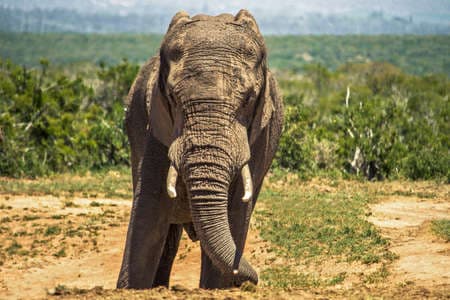
Rare view of an african big and huge elephant (Loxodonta Africana) standing in the middle of savannah bush during a safari in Addo National Park, South AfricaSafari & Wildlife Experiences

Family Safari Packages in Africa: A Tailored Adventure for All Ages

How to create a family safari that actually works for your household A good family safari is less about packing more into the itinerary and more about designing the trip around your children’s ages, attention spans, and the pace your adults can happily sustain. In Southern Africa, that usually means choosing a base with short transfer times, predictable daily rhythms, and a lodge or camp that understands family logistics: adjoining rooms, flexible meal times, child-minding options where available, and guides who can keep game drives interesting without trying to turn every outing into a marathon. For Zimtrek, the strongest family itineraries in Zimbabwe, Botswana, Namibia, South Africa, Zambia, and parts of the wider Southern Africa circuit are built in layers. The first layer is wildlife viewing. The second is recovery time, because families need afternoons for swimming, naps, board games, or simply watching birds from a deck. The third is movement planning: fewer border crossings, shorter road transfers, and a sensible mix of flying and driving when the route is long. That balance is what keeps the trip enjoyable rather than tiring. The best family safaris are usually built around one or two strong regions, not a rushed multi-country dash. In Southern Africa, less movement often means more actual holiday. Family goal What to prioritise Best fit in Southern Africa First safari with young children Short drives, pool, flexible meals Private reserves near Kruger or easy-access safari lodges in South Africa Multi-generational trip Family suites, mixed activity levels Victoria Falls plus Chobe or a Cape-and-safari combination Older children or teens Ranger skills, walking, boating, photography Botswana, Namibia, or game-rich private concessions Understanding family needs and interests The most common planning mistake is assuming a family is a single travel type. In reality, one child may want animals, another may want a swimming pool, and grandparents may value comfort and low walking distances. Good planning starts by separating needs into non-negotiables and nice-to-haves. Non-negotiables might include two rooms, air conditioning, child-friendly food, or a malaria-conscious route. Nice-to-haves could be a junior ranger activity, a boat cruise, or a sundowner deck. Zimtrek’s planning style is useful here because it is tailor-made rather than package-led. That allows the itinerary to match the actual family dynamic. A family with under-fives needs more stable lodges and less vehicle time. A family with teenagers may want a bush walk, photographic hides, or a day split between wildlife and adrenaline activities near Victoria Falls. A family with mixed ages may need one lodge that works as a base and one night in a different setting to keep everyone engaged. If one child gets bored quickly, avoid stacking back-to-back dawn and sunset drives. Build in one anchor activity per day and let the rest of the day breathe. Choosing family-friendly destinations without overcomplicating the route In Southern Africa, the most practical family safari destinations are the ones that combine reliable wildlife viewing with straightforward access and good family accommodation. South Africa often works well for first-timers because of self-drive flexibility in some areas and a wide range of lodges. Botswana suits families who want a more exclusive-feeling wilderness experience, especially where private guides and boating safaris add variety. Zimbabwe is strong for combining wildlife with Victoria Falls, while Zambia offers excellent bush-and-river combinations in the right season. Namibia works particularly well for families who like open landscapes, road trips, and a slower travel rhythm. The right choice depends on the family’s tolerance for driving, wildlife expectations, and comfort level. For example, if you want less time in transit and more certainty around lodge standards, a compact South Africa safari plus a city stay is often easier. If you want a more immersive bush feel and can handle a higher cost per night, Botswana’s smaller camps can be a better match. If the family wants iconic scenery and a natural add-on, Victoria Falls pairs well with several nearby safari areas and gives non-wildlife days a strong reason to exist. 3 The most useful family planning variables: age range, transfer length, and whether the lodge can flex around naps and meals. Planning activities for different age groups Younger children usually do best with short drives, frequent breaks, and activities that give them a mission: animal tracking cards, identifying spoor, or learning the difference between a kudu and an impala. Primary-school children can handle more time on safari if the guide is good at storytelling and the itinerary includes a clear reward such as a pool session or a picnic. Teenagers often prefer a more active role, which is why photography, canoeing where safe and appropriate, or guided nature walks can work better than long passive drives. A practical itinerary should not force every generation into the same mould. The best lodges and camps can sometimes split a family’s day: some people join the morning game drive while others sleep in; younger children might do a short guided activity while adults take a longer excursion. That flexibility matters more than trying to find one activity everyone will love equally. Safety considerations for family safaris Safety starts with honest route selection. Families should choose destinations and lodges that clearly explain age restrictions, vehicle rules, pool supervision, and movement around camp. In wildlife areas, the key is not to treat a safari lodge like a hotel in town: children need supervision near open decks, around fire pits, and when moving between rooms and the main area. Seating children properly in vehicles and respecting guide instructions is also essential. Health planning matters too, especially when travelling across Southern Africa with children. Families should check seasonal health considerations for the exact route, keep a simple medication kit, and allow room in the schedule for fatigue. Zimtrek typically recommends choosing lodges with clear communication on meal timing, room layouts, and transfer arrangements so families can focus on the experience rather than solving practical problems on arrival.

Oct 9, 202610 min read
Read more
travel and vacation concept - close up of passports, tickets, little globe, smart phone, vintage camera and copy space over wooden table backgroundTravel Planning & Itineraries

Crafting Your Custom Safari in Zimbabwe: A Step-by-Step Guide

How to Plan Your Custom Safari A well-built safari in Zimbabwe starts with decisions that shape the whole journey: how much driving you want, whether you prefer river, bush, or rocky landscapes, and how private you want the experience to feel. Zimtrek’s planning approach is built around those preferences, because a trip for a photographer, a family with young children, and a couple celebrating an anniversary should not look the same. The most useful first step is not choosing a lodge; it is choosing the experience style. In Zimbabwe, that usually means deciding between a wildlife-first trip in places such as Hwange or Mana Pools, a scenery-and-culture trip that includes Matobo or the eastern highlands, or a mixed itinerary anchored by Victoria Falls. Personalization works best when you start with your pace, not with a generic itinerary. A four-night trip can feel rushed if it includes too many long road transfers. Think in practical terms. If you have six to eight nights, one region plus Victoria Falls is often more balanced than trying to cover several distant parks. If you have 10 to 14 nights, it becomes realistic to combine two wildlife zones, such as Hwange and Mana Pools , or pair Matobo with a Zambezi River stay. The value of a custom safari is that the route is chosen to fit your travel time, not the other way around. That is also where trusted local planning matters: road conditions, domestic flight availability, park access patterns, and lodge transfer timing all affect the final flow. 6-8 nights Often enough for Victoria Falls plus one major safari area without feeling rushed Key Steps in Custom Safari Planning The cleanest way to plan is to move from preferences to logistics in a fixed order. First, define the purpose of the trip. Is the priority game viewing, photography, birding, family bonding, or a celebration? Second, choose your setting. Zimbabwe offers distinct experiences: Hwange is known for broad wildlife concentrations and classic safari drives; Mana Pools is prized for river scenery and a more remote feel; Matobo adds dramatic granite landscapes and cultural depth; Victoria Falls is the natural gateway for adventure and soft landing days. Third, decide your transport mix. Self-drive can work for experienced travellers on specific routes, but many custom itineraries are better with a private vehicle, short flights, or a combination of both. Planning choice Best for Why it matters in Zimbabwe One-region trip Short stays and first-time safari travellers Cuts transfer time and leaves more hours for game drives Two-region circuit Travellers with 8-12 nights Balances wildlife variety with manageable movement Fly-in plus road transfer Comfort-focused itineraries Reduces long road days while keeping the route flexible Once the route is set, match accommodation to the type of traveller. Tented camps suit guests who want close proximity to wildlife and a classic bush atmosphere. Small lodges suit travellers who value more structure, especially families or multi-generational groups. Riverside properties near the Zambezi often work well for slower itineraries because they create easy transition days between activities. Zimtrek’s advantage is in pairing the right property with the right road or flight sequence, which reduces the friction that often ruins a tailor-made trip. Common Mistakes to Avoid in Safari Planning The biggest planning error is trying to see too much. Zimbabwe rewards depth more than speed. A traveller who books multiple parks with long overland transfers may spend more time in transit than in the field. Another common mistake is choosing accommodation only by photos. In safari planning, location relative to gates, river access, and drive times often matters more than décor. A lodge that looks attractive online can still be a poor fit if it adds an hour of travel to every activity. Do not assume every park works the same way. Road distances, transfer durations, and activity styles vary sharply between Zimbabwe’s safari regions. A second pitfall is ignoring seasonality. Zimbabwe’s dry months usually improve game viewing because animals concentrate around reliable water, while greener months can be excellent for scenery, birdlife, and fewer crowds. The right season depends on your goal, not on a universal “best month.” A third mistake is underestimating how much logistics matter for a smooth trip: baggage limits on light aircraft, pickup timing, and border or domestic transfer sequencing can all affect a custom itinerary. These are not minor details; they determine whether the journey feels seamless. Essential Checklist for Safari Travelers Before you confirm anything, make sure the plan answers these practical questions clearly: how many nights are in each stop, whether transfers are private or shared, what activities are included, which meals are covered, and whether park fees or drinks are extra. You should also confirm the style of guide support you want. Some travellers prefer a dedicated driver-guide throughout, while others are happy with lodge guides at each location. If you are travelling as a family, ask about age policies for game drives, interleading rooms, and flexible dining times. If you are travelling for photography, ask about vehicle layout and the best departure times for light. Checklist item What to confirm Route timing Transfer hours, flight days, and arrival buffers Inclusions Meals, activities, park fees, laundry, and drinks Trip style Family-friendly, photographic, adventure, or relaxed pace Support level Private guide, lodge guides, or mixed guiding It also helps to prepare a realistic packing list: light neutral layers, a warm layer for early mornings, good walking shoes, binoculars, and any personal items that are difficult to source on the road. Zimbabwe itineraries often involve changing temperatures between sunrise drives and midday rests, so flexible clothing is more useful than bulky baggage. The best custom safaris are built on these small decisions, because they make the whole journey feel effortless once you arrive.

Oct 9, 20269 min read
Read more
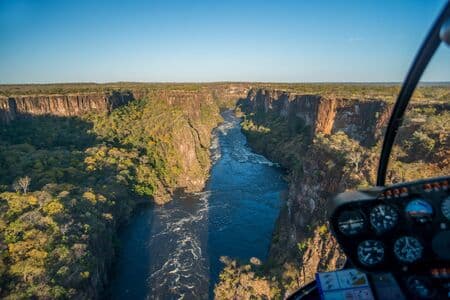
victoria falls helicopter safariSafari & Wildlife Experiences

Couples Safari: Your Guide to Romantic Adventures in Southern Africa

Why Choose a Couples Safari? A couples safari works so well because it blends two very different travel moods into one trip: shared adventure in the bush and quiet time to reconnect. In Southern Africa, that balance is especially strong. A game drive in Botswana can end with sundowners on a riverbank, a private tented camp can feel intimate without being isolating, and a few days near Victoria Falls can add a relaxed, scenic finish to an otherwise wildlife-focused itinerary. For many travellers, that mix is more meaningful than a standard beach break because every day gives you something to talk about, photograph, and remember together. The best couples itineraries are not built around “doing everything”; they are built around pace. Zimtrek often finds that two to four well-chosen destinations create a better romantic rhythm than trying to fit in too many flights, transfers, and packed activity days. That could mean pairing a Delta camp in Botswana with a quiet lodge in Victoria Falls, or combining safari and desert scenery in Namibia. The point is not just romance in the obvious sense. It is also about ease: fewer logistics, smoother transitions, and accommodation that gives you privacy, good service, and space to enjoy the experience together. The strongest couples itineraries in Southern Africa usually balance two styles: wildlife immersion and one memorable non-safari highlight, such as a river cruise, falls visit, or scenic lodge stay. Top Romantic Safari Destinations in Southern Africa Botswana is a standout for couples who value privacy, space, and exceptional guiding. The Okavango Delta is known for water-based wilderness, intimate camps, and peaceful surroundings, while Chobe works well for couples who want abundant elephant viewing combined with easy access from Victoria Falls. In Botswana, the romance comes from the atmosphere: fewer crowds, excellent wildlife concentrations in the right areas, and camps that often feel designed for unhurried time together. Zimbabwe offers a different but equally appealing style. Victoria Falls is one of the region’s best places to mix adventure with romance because couples can move from a sunrise activity to an elegant dinner, then sleep in a lodge with river or gorge views. Hwange is a strong option for those who want a classic safari feel without sacrificing comfort, and it can be combined neatly with the Falls. Namibia suits couples who enjoy dramatic landscapes as much as wildlife; the desert light, long horizons, and remote lodges create a very cinematic trip. South Africa can work well for first-time safari travellers who want easy flights, strong lodge infrastructure, and the option to combine safari with wine country or a city stay, while Zambia is ideal for couples who like a more adventurous, slightly wilder feeling around the Zambezi and Livingstone area. Destination Best for couples who want Why it works Botswana Privacy and premium wilderness Intimate camps, low-density tourism, excellent safari atmosphere Zimbabwe Safari plus Victoria Falls Easy pairing of wildlife, scenic stays, and iconic experiences Namibia Scenery and solitude Wide open landscapes and a slower, more reflective pace South Africa Convenience and variety Smooth logistics and easy add-ons beyond the safari Unique Experiences to Foster Connection The most memorable couple-focused trips are usually built around a few carefully chosen experiences rather than a long activity list. Private game drives are a strong starting point because they let you set the pace, linger at sightings, and enjoy the day without feeling rushed by a larger group. A sunrise drive followed by breakfast in camp is especially effective for honeymooners and anniversary travellers because it creates a natural sense of occasion without needing anything staged. Other experiences that work particularly well include river cruises, outdoor dinners under the stars, spa treatments at lodge level, guided walks for active couples, and scenic flights where available. In Victoria Falls, couples often enjoy combining a high-energy activity such as a helicopter flight or white-water rafting day with slower moments at a lodge or sunset cruise on the Zambezi. In Botswana, water safaris and mokoro-style experiences in suitable areas create a very calm, immersive rhythm. For couples who like photography, a private guide can also help structure game drives around light, landscape, and patience rather than just distance covered. 2-4 Well-chosen destinations usually make a couples safari feel more relaxed than a longer, rushed itinerary.

Oct 8, 20268 min read
Read more
Photo of a group of happy african students talking and meeting together working on homework girls wearing traditional Sudanese Muslim hijabTravel Planning & Itineraries

Planning Your Luxury African Travel Adventure

Essential Prerequisites for Luxury African Travel High-end travel across Southern Africa works best when the basics are decided early: your route, pace, level of privacy, and the style of accommodation you want. In this market, the difference between a good trip and an outstanding one often comes down to matching logistics with expectations. For example, a fly-in safari in Botswana, a private villa near the Cape Winelands, and a honeymoon stay overlooking Victoria Falls each demand different transfer times, luggage limits, and booking lead times. The earlier those details are aligned, the easier it is to secure the right lodges and the best room categories. A luxury journey is not just about expensive accommodation. It is about protecting time, reducing friction, and choosing experiences that fit your travel rhythm. Travellers should also decide how exclusive they want the experience to feel. Some prefer a fully private safari vehicle, butler service, and suite-style lodges. Others want refined comfort with strong guiding and excellent food, but not necessarily the highest possible spend. That distinction matters because pricing changes sharply based on season, location, and whether you are choosing a private-use vehicle or sharing activities with a small number of guests. In Zimbabwe, Botswana, Namibia, South Africa, Zambia, and parts of Zambia’s riverfront and park regions, premium lodges often book out months ahead during the most sought-after safari windows. 6-12 months is a realistic lead time for the best suites and private safari options in peak periods. Budgeting should be done by category rather than as a single lump sum. In high-end African travel, the main cost buckets are usually international flights, regional flights or charter flights, accommodation, park fees, transfers, private guiding, and special experiences such as helicopter flights or river cruises. A traveller comparing two similar itineraries can see a large difference simply because one includes shared transfers and scheduled flights while the other uses private road transfers and charter connections. That is why luxury planning is as much about structuring the trip as it is about choosing beautiful places. Planning element What it affects Why it matters Accommodation level Suite size, privacy, meals, service style Shapes the tone of the entire journey Transfer style Flight time, comfort, baggage limits Can save a full day of road travel Season Rates, crowd levels, wildlife viewing patterns Directly changes value and availability Steps to Plan Your Luxury African Journey Start by deciding what success looks like. For some travellers, it is a slow safari with exceptional guiding and long lunches in camp. For others, it is a circuit that blends wildlife, wine, coast, and design-led hotels. Once that goal is clear, build the route around fewer, stronger stops rather than trying to cover too much ground. In Southern Africa, three or four well-chosen bases can deliver a richer trip than a rushed itinerary that hops between too many countries. Choose the core experience first: safari, coast, city, or a combination. Set your travel season based on wildlife priorities, weather tolerance, and lodge rates. Decide how private the trip should be, including guides, vehicles, and transfers. Confirm practical limits such as luggage, mobility, and minimum ages for children. Request a day-by-day plan that shows where time is spent, not just where you sleep. A well-designed itinerary usually leaves breathing room. Luxury does not feel luxurious when every day is overpacked. The most successful trips also balance headline experiences with quiet time. A traveller may want a private game drive in the morning, a spa treatment in the afternoon, and a sunset cruise in the evening. That pace works only if transfers are short and the lodge is in the right location. For example, a stay near Hwange, the Okavango-edge areas of Botswana, or the Zambezi River can reduce transit stress and keep the schedule elegant rather than exhausting. Zimtrek’s role is to help translate that wish list into a realistic route with trusted properties and smooth connections. When comparing options, ask for what is included, not just the nightly rate. Premium lodges may include all meals, selected beverages, game drives, laundry, and scheduled transfers. Others may exclude conservation fees, premium drinks, charter flights, or private guiding. Those details matter because they change the real cost of the trip and influence whether the experience feels seamless once you arrive. Common Mistakes to Avoid A frequent mistake is choosing a destination because it looks glamorous online without checking the seasonality of the experience. A lodge that is extraordinary in one month may feel very different in another if wildlife patterns, river levels, or weather conditions change. Another mistake is assuming all luxury properties offer the same style of service. Some are intimate and highly personal, while others are larger, more design-focused, or better suited to families. The right match depends on your travel purpose. Do not over-schedule multiple long transfers in one trip. Do not assume all-inclusive means every premium item is covered. Do not book a lodge before checking how activities are accessed. Do not ignore baggage rules on light aircraft or small charter flights. The biggest planning error is buying rooms before solving the route. In luxury travel, geography and logistics are part of the product. It is also easy to underestimate the value of local knowledge. A polished brochure can hide transfer bottlenecks, unrealistic drive times, or a property that is elegant but poorly placed for the activities you care about. Travellers who want beach, safari, and city time in one itinerary need precise sequencing. Those who want a quieter retreat may need fewer destinations and more nights in each place. Good planning protects both the budget and the experience, and it is especially important in Southern Africa where distances can be deceptive. The smartest approach is to treat the trip like a curated project: define the outcome, choose the right base, and then layer in the experiences that make the journey feel personal, refined, and worth the investment.

Oct 8, 202611 min read
Read more
Wooden Human Manikin posing on a cliff with a beautiful misty sea from a view point at Cape Point Nature Reserve, Cape Point, Cape Town, South AfricaCultural & Local Insights

Exploring Africa's Cultural Tours: A Journey Through Diversity

Understanding Africa's Cultural Diversity The best cultural journeys are not museum-style overviews; they are carefully designed encounters that help travellers understand how people live, celebrate, work, and preserve identity across different regions. In Southern Africa, a strong cultural itinerary can move from Zimbabwean stone heritage to Ndebele art, from Shona music and storytelling to township food scenes in South Africa, or from living village traditions in Botswana and Namibia to Swazi and Zulu heritage experiences. What makes these trips meaningful is not ticking off names on a map, but seeing how language, craft, ritual, cuisine, and daily life connect to place. A good cultural tour should feel local, not staged. The most rewarding experiences usually involve small groups, community hosts, and guides who can explain context rather than just point out sights. Travellers often arrive expecting one single version of “African culture,” but the reality is a mosaic of communities, histories, and traditions. Even within one country, the differences can be significant. In Zimbabwe, for example, a trip might combine the Great Zimbabwe stone ruins with living craft traditions in nearby communities and then continue to a local home-hosted meal or music session. In Namibia, the cultural story may shift from urban heritage in Windhoek to Himba, Herero, or San traditions in the north, each with distinct protocols for respectful visitation. That variety is exactly why cultural tours work best when they are built around a clear purpose: heritage, food, performance, crafts, or community interaction. Small groups matter most They usually allow deeper conversation, less pressure on hosts, and more flexibility to follow local rhythms. What cultural diversity looks like on the ground A practical way to think about a cultural itinerary is by the kind of learning you want. Community-led visits are best for travellers who value conversation, handicrafts, and daily life perspectives. In Southern Africa, these experiences often overlap, which is why a tailored plan is more effective than a standard package. Cultural focus What you gain Best for Heritage sites and monuments Historical context and regional identity Travellers who like history and interpretation Village and community visits Everyday routines, crafts, and local stories Curious travellers seeking real interaction Food and market experiences Flavours, ingredients, and social customs Families, couples, and food-led travellers Performances and festivals Rhythm, symbolism, and celebration Visitors who want energy and atmosphere How to Choose a Cultural Tour The right choice starts with your travel style, not with the destination name. If you want structured learning, choose a tour with an interpreter-guide or specialist host. If you prefer immersion, look for community-run experiences that include meals, demonstrations, or time to ask questions. If you are travelling with children, choose shorter visits with hands-on elements such as pottery, music, beadwork, or cooking. If you are combining culture with safari, pick locations that sit naturally along your route rather than forcing long detours. The strongest itineraries connect culture to place. A heritage stop near a safari corridor or a city walking tour before a lodge transfer usually works better than a rushed day trip. It also helps to think about pace. Some travellers enjoy a full-day cultural route with multiple stops, while others prefer one meaningful visit paired with leisure time. Zimtrek-style planning works best when each day has a clear purpose: one deep cultural encounter, one logistical transfer, or one combined activity. That reduces fatigue and gives space for genuine conversation. For example, a Zimbabwe journey might include a morning heritage site, lunch with a local host, and an afternoon scenic drive to a safari lodge. A South African option might pair urban history with a township food experience and then move to a coastal or wildlife stay. Look closely at the operator’s structure. Ask who leads the experience, how the community benefits, whether photography is permitted, and whether the visit supports local guides, performers, or artisans. A strong cultural product should explain these details clearly. If a tour description is vague about inclusions, that is a warning sign. You want to know what is actually covered: entry fees, transport, meals, guide time, and any community levy or craft purchase expectations. Clear structure is a sign of respect, not rigidity. What to check Why it matters Better choice Guide knowledge Context turns a visit into real learning Local or specialist guides with cultural training Community benefit Ensures money stays closer to hosts Tours that name partners or community groups Duration Too many stops can reduce engagement One or two substantial visits per day Which option suits you? If you are a first-time visitor, choose a short, well-guided cultural encounter that includes explanation and time for questions. If you are a repeat traveller, choose a deeper route that combines a heritage site with workshops or community meals. If you travel as a family, focus on interactive experiences that children can participate in without feeling like observers only. In all cases, the goal is the same: leave with better understanding, not just better photos.

Oct 8, 20268 min read
Read more
travel and vacation concept - close up of passports, tickets, little globe, smart phone, vintage camera and copy space over wooden table backgroundTravel Planning & Itineraries

Crafting Your Perfect Bespoke Journey in Southern Africa

Understanding the Appeal of Bespoke Travel in Southern Africa Bespoke travel works best when the journey is built around how you like to move, not around a fixed departure date or a one-size-fits-all route. In Southern Africa, that matters because distances, seasons, and travel styles vary widely between places like Victoria Falls, Hwange, the Okavango, the Namib Desert, Cape Town, and the Winelands. A well-designed trip can combine wildlife, culture, coastline, and city time without feeling rushed, but only if the routing matches your pace and priorities. The real value of custom planning is not just choosing where to go. It is choosing what to leave out so the trip feels smooth, coherent, and worth the investment. For many travellers, the appeal is control. Couples may want a quiet lodge with private game drives and time for a scenic finale in Cape Town. Families often need shorter transfers, family rooms, and activities that work for mixed ages. Small groups may prioritise a mix of safari, food, and soft adventure. A bespoke approach lets those differences shape the itinerary from the start, instead of being treated as special requests later. 1 trip can combine safari, city, and coastline when the routing is planned properly What makes the experience feel personal Personalisation goes beyond lodge category. It includes the kind of guiding you want, whether you prefer private road transfers or light aircraft, how active you want each day to be, and whether the focus should be wildlife photography, birding, relaxation, or adventure. In Southern Africa, those choices have practical consequences. For example, a traveller who wants more wildlife time may do better with two well-chosen safari areas rather than four destinations in ten nights. Travel style Best fit Why it works Couple Private safari plus scenic city finish Balances intimacy, comfort, and variety Family One or two bases with easy transfers Reduces fatigue and keeps planning manageable Photographer Longer stays in wildlife-rich areas More time for light, sightings, and field rhythm Steps to Plan Your Bespoke Journey The easiest way to plan a tailored trip is to begin with the outcome, not the destination list. Start by naming the experience you want: a classic safari, a fly-in adventure, a slow family holiday, or a trip that blends wilderness with downtime. Then work backwards into route, season, and budget. That order helps avoid the common problem of trying to squeeze too many highlights into too few days. Define the travel purpose clearly. Set the travel window and trip length. Choose the pace you can comfortably enjoy. Match destinations to that pace. Build in transfers, recovery time, and flexibility. A strong custom itinerary usually has one main highlight per region. That keeps the journey elegant instead of crowded. Once those priorities are clear, compare route logic. Southern Africa is especially sensitive to routing because road transfers, charter flights, and border crossings can change the feel of a trip. A Zimbabwe safari paired with Victoria Falls, for instance, can work very well on the ground. But if you also want Botswana and Namibia in the same short window, the transfer network has to be planned carefully so the itinerary remains enjoyable rather than exhausting. How to think about duration As a rule of thumb, short trips of six to eight nights work best when focused on one country or one compact circuit. Mid-length trips of nine to twelve nights can combine a signature safari with a second environment, such as falls, coast, or city. Longer journeys allow more range, but only if each stop earns its place. When in doubt, fewer moves usually mean better value because you spend more time experiencing the destination and less time in transit. This is where Zimtrek Travel’s style of planning is especially useful. The focus is on matching travellers to curated lodges, trusted guides, and workable transfer patterns, rather than forcing a preset package. That means the route, not just the room category, is tailored to the traveller. Assessing Your Personal Interests and Preferences A meaningful itinerary starts with honest preference-setting. Many travellers say they want “a bit of everything,” but a strong planner will help narrow that into priorities. Do you care more about seeing wildlife at dawn, having excellent food and wine, staying in smaller camps, or building a trip around scenery and downtime? In Southern Africa, those answers determine whether you should lean toward safari-heavy itineraries, coastal relaxation, or a blend of both. Preference Planning implication Wildlife focus Prioritise game-rich reserves and longer stays Relaxation focus Choose fewer moves and stronger lodge downtime Adventure focus Look for rafting, hiking, canoeing, or scenic flight options Budget also needs to be defined in a practical way. Instead of giving only a total figure, it helps to separate accommodation, internal flights, transfers, and activities. That is especially important in Southern Africa because a trip with light aircraft transfers and private guiding can cost very differently from a road-based journey with comfortable mid-range lodges. Clear priorities allow the itinerary to be designed around value, not guesswork. If your wish list is long, your schedule probably needs to be longer too. Bespoke travel works best when ambition and time are in balance. Think about who is travelling with you as well. A honeymoon couple might enjoy a sequence of smaller camps and private experiences. A multi-generational family may need easier mobility, less frequent packing, and child-friendly activities. A solo traveller may value lodges with strong guiding, social dining options, and reliable logistical support. These details sound small, but they shape whether a trip feels effortless or complicated. Engaging with Travel Experts Local expertise matters because Southern Africa is full of route choices that look similar on a map but behave very differently in real life. A travel expert can tell you which combinations are efficient, which lodges suit your pace, where road transfers are worthwhile, and when flying saves time. This is particularly useful when planning around seasonal conditions, ferry-style crossings, or conservation-area road access that can affect timing. Good planning conversations are specific. Instead of asking only for “a safari and Victoria Falls,” share your must-haves, comfort level, and any non-negotiables. Useful details include your preferred room style, whether you enjoy early starts, if you want bush walks or vehicle-based viewing, and whether photography or birding is a major focus. The more precise the brief, the more precise the design. The best planners do not simply book components. They sequence them so energy, scenery, and logistics all support the same trip story. At Zimtrek Travel, the value lies in working with a curated network of lodges, guides, and ground operators across Southern Africa. That network helps turn a rough idea into a route that feels coherent, with the right trade-off between comfort, movement, and experience depth. For travellers who are unfamiliar with the region, that local filtering saves a great deal of trial and error.

Oct 8, 202610 min read
Read more
Rare view of an african big and huge elephant (Loxodonta Africana) standing in the middle of savannah bush during a safari in Addo National Park, South AfricaSafari & Wildlife Experiences

Victoria Falls Wildlife Tours: Your Guide to Unique Experiences

How to Choose the Perfect Wildlife Tour Choosing a wildlife tour near Victoria Falls is less about finding the longest itinerary and more about matching the experience to what you actually want to see, how much time you have, and how much moving around you enjoy. In this region, a good tour might focus on river-based sightings in the Zambezi National Park, a guided game drive in a nearby reserve, or a birding outing where the value comes from expert interpretation rather than sheer numbers of animals. The most useful first question is simple: do you want a relaxed half-day excursion, a full-day wildlife outing, or a multi-day safari add-on to a falls stay? Once that is clear, the rest becomes easier to compare. A well-matched tour should fit your pace, not just your budget. Families often do better with shorter drives and flexible start times, while photographers usually need longer windows and better vehicle positioning. Look closely at the operating style. Some tours are drive-heavy and cover more ground, which can suit travellers who want a broader wildlife sample. Others are narrower in scope but stronger in guiding quality, such as a specialist birding outing or a river cruise with trained spotters. Around Victoria Falls, that difference matters because the wildlife experience changes by habitat: open woodland, riverine stretches, and floodplain edges each produce different sightings and different levels of comfort. For a couple on a short break, an early-morning game drive may be enough. For a family with children, a softer-paced outing with fewer transfers is often the better choice. For a photographer, the key question is whether the operator allows enough time at sightings without rushing to the next stop. Tour type Best for What to check Half-day game drive Short stays and first-time visitors Departure time, vehicle comfort, guiding quality River safari Birders and relaxed travellers Boat size, viewing angles, drink inclusions Multi-day safari extension Travellers combining falls and wildlife Transfers, lodge location, inter-park routing Essential Preparation Steps for Wildlife Tours Preparation is what turns a good outing into an easy one. Start with your travel window, because wildlife viewing around Victoria Falls often begins early, when temperatures are lower and animals are more active. If you are booking in peak travel periods, confirm the exact pick-up location and whether your hotel or lodge is inside the main transfer zone. This avoids unnecessary last-minute confusion, especially if you are staying slightly outside the town centre or moving between Zimbabwe and a nearby safari base. Carry a light layer even on warm days. Early departures and river breezes can feel much cooler than the afternoon temperature suggests. Dress for dust, sun, and movement. Neutral colours are practical, closed shoes are better than sandals for game drives, and a brimmed hat helps on open vehicles and boats. Binoculars make a meaningful difference, especially for birdwatching and for spotting animals across the river edge. If you are travelling with camera gear, use a small dry bag or padded daypack rather than carrying loose equipment. The region is rewarding for patient viewing, so plan for comfort rather than trying to pack light at the expense of usability. It also helps to prepare mentally for the pace of a wildlife tour. You may spend twenty minutes watching a single animal group, then move on quickly without seeing anything for a while. That pattern is normal and is often what creates the best moments. If you are travelling as a small group, decide in advance whether the priority is photography, birding, or general wildlife. When everyone expects something different, the outing can feel unfocused. Zimtrek often finds that a clear brief leads to a much better day because the guide can adjust the route and timing around what matters most to you. US$50-US$180 A practical example range for shorter wildlife outings, depending on vehicle type, route, and inclusions. Common Mistakes to Avoid When Booking One of the biggest mistakes is booking purely on price and ignoring the route, the guide, and the transfer time. A lower-cost tour can still be worthwhile, but only if you know what is included and how much time is spent actually viewing wildlife rather than moving between stops. Another common problem is choosing a tour that is too ambitious for the time available. If you only have one night in Victoria Falls, a compact wildlife outing is usually a better fit than a long cross-border schedule that leaves little room for delays. Travellers also underestimate seasonal and habitat differences. A late-afternoon outing in one month can feel very different from the same route a few months later, especially when water levels, vegetation density, and animal movement patterns shift. This is why local knowledge matters: the best route is often the one that fits the current conditions, not the brochure version from earlier in the year. Another mistake is assuming every operator will provide the same level of interpretation. Some guides are excellent at reading tracks, birds, and behaviour; others are more transport-focused. Ask about the guiding style before you confirm. Finally, do not overlook logistics. If your accommodation is split between town and a lodge outside the core area, make sure the operator knows both addresses. Confirm whether park fees, drinks, or specialist activities are included. Small oversights can create friction on the day, especially when the excursion is part of a broader Zimbabwe itinerary. Good planning means fewer surprises and more time in the field. Unique Wildlife Tour Experiences Around Victoria Falls The Victoria Falls area is distinctive because wildlife viewing is not limited to one format. A river-based outing offers a different perspective from a land-based game drive, and both can be combined with the falls itself without making the trip feel rushed. Zambezi-side experiences are especially appealing for travellers who enjoy seeing the landscape shape the wildlife: elephants moving through riverine vegetation, birds along the banks, and dusk activity that feels very different from a morning drive. These are not cookie-cutter safaris; they are shaped by proximity to water, town access, and the short-transfer convenience that makes Victoria Falls such an efficient base. For birdwatchers, the region is particularly rewarding in the right season, with river edges and wetland pockets drawing a wide range of species. For photographers, the appeal is in variety: mist, open road scenes, reflective water, and occasional close subject opportunities in controlled viewing situations. For families, a short wildlife outing paired with a relaxed lodge lunch can be a better day than a full-scale safari. The most memorable experiences here are often the ones that feel tailored, not rushed. If you want the most balanced day, choose an early wildlife outing, then leave the afternoon free for rest, a sunset activity, or the falls themselves.

Oct 8, 20269 min read
Read more
Photo of a group of happy african students talking and meeting together working on homework girls wearing traditional Sudanese Muslim hijabTravel Planning & Itineraries

Engaging Kids in Africa: Activities and Adventures for Young Explorers

How to Plan Engaging Activities for Kids in Africa The best family trips in Southern Africa are not built around “keeping children busy”; they are built around giving them a role in the journey. For younger children, that role might be spotting tracks on a game drive, helping identify birds at breakfast, or choosing the next stop on a self-drive route. For older children, it can mean joining a guide on a short bush walk, learning how a working farm or conservancy operates, or comparing wildlife habitats between a riverfront lodge and a dry savannah camp. When activities are chosen this way, kids stay interested because they are participating, not just observing. In Southern Africa, the strongest family experiences usually combine three ingredients: manageable travel times, a mix of active and quiet moments, and a setting where guides are comfortable adapting explanations for different ages. Zimtrek Travel often recommends building each day around one anchor experience, then leaving breathing room for rest, pool time, snacks, and downtime. That approach matters because many child-friendly lodges and camps in Zimbabwe, Botswana, Namibia, South Africa, and Zambia work best when the day is paced rather than packed. A useful rule: younger children usually engage longer when an activity lasts under two hours, while older kids can handle longer experiences if there is a hands-on task or clear goal. 3 activity types that work especially well for family safaris: nature, culture, and gentle adventure Prerequisites for Planning Family Activities Before booking anything, match the activity to the child’s age, temperament, and attention span. A seven-year-old who loves animals may be thrilled by a short rhino-tracking experience, while a teenager may prefer canoeing, e-biking, or photographing elephants at sunset. It is also important to think about logistics that adults sometimes overlook: how long transfers take, whether an activity runs in the heat of the day, whether meals are included, and whether the operator can adapt for a child who gets tired quickly. These details make the difference between a smooth day and one that feels too long. Families should also check the practical side of each destination. Some lodges in game areas accept children only above a certain age on shared game drives, while others offer family vehicles or private guides. In Zimbabwe and Botswana, for example, a private vehicle can be especially valuable if you want to stop frequently for wildlife, snacks, or bathroom breaks. In South Africa’s family-friendly reserves, self-drive or private reserve formats may suit parents who want more flexibility. Zimtrek’s planning approach is to build the itinerary around the least flexible part of the trip first, then fit the fun around it. Age group Works well for Avoid or adjust Under 6 Short nature walks, cultural storytelling, animal tracking games, pool time Long game drives, late finishes, very hot midday activities 6 to 11 Boat trips, craft sessions, easy cycling, ranger-led learning, canoeing where suitable Overly long transfers, activities without breaks 12+ Photography, active safaris, village visits, adventure add-ons, guided bush walks Itineraries that feel too childish or too rigid Step-by-Step Guide to Crafting a Kid-Friendly Itinerary Start with the child’s energy pattern Begin by mapping when your children are naturally at their best. Many families find that early mornings work well for wildlife viewing, while afternoons are better for swimming, crafts, or relaxed cultural visits. This is why a classic game-drive-heavy schedule can work beautifully for one family and fail for another. Build the itinerary around what your children can genuinely enjoy, not what sounds impressive on paper. Choose one signature experience per destination Each stop should have a clear purpose. In Victoria Falls, for example, the signature experience might be a guided falls visit plus a gentle sunset cruise. In Hwange, it might be a private vehicle safari with a knowledgeable guide who can turn tracks, dung, and bird calls into a game. In Botswana, it may be a mokoro-style water experience in suitable areas or a lodge-led nature activity. Limiting each destination to one memorable highlight keeps the trip from becoming exhausting. Build in learning through doing Children remember the trip more deeply when they are asked to do something practical. Let them use a field guide to match footprints, sketch a bird they saw at breakfast, or ask a guide three questions before leaving camp. Cultural stops work best when they include making, tasting, listening, or helping, rather than passive observation. A beadwork demo, a bread-making session, or a drumming lesson usually holds attention better than a long talk. Leave space between activities A family itinerary should feel generous, not packed. Two scheduled experiences in a day is usually enough once meals, transfers, and rest are counted. This is especially important in safari regions where road conditions, heat, and wildlife viewing opportunities can change the pace without warning. A little space in the day gives children time to reset and keeps parents from managing constant transitions. Avoid planning back-to-back long drives and full activities on the same day. In family travel, fatigue often reduces enjoyment faster than cost or weather.

Oct 8, 202610 min read
Read more
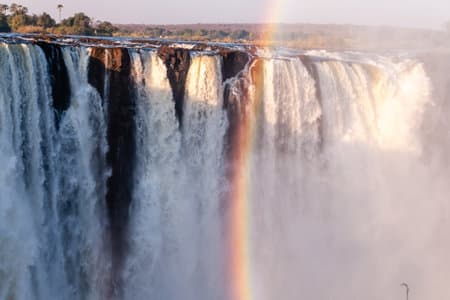
Close-up of the mighty victoria falls in ZimbabweTravel Planning & Itineraries

Exploring African Water Sports: Your Ultimate How-To Guide

Getting Started with African Water Sports The easiest way to approach water-based adventure in Southern Africa is to choose the experience around your comfort level, not the other way around. A first trip is usually best planned by matching the water, season, and activity to your travel style. Someone who wants a short adrenaline burst may prefer white-water rafting below Victoria Falls, while a traveller who wants a slower learning curve might start with a lagoon or bay session for stand-up paddleboarding or kitesurfing tuition. Zimtrek often plans these trips as part of a wider safari or coast journey, so the water day becomes one memorable piece of a bigger itinerary rather than a standalone rush. In Southern Africa, the best first experience is often the one with the clearest logistics: reliable transfers, a qualified operator, and a setting that suits your skill level. Before booking, think about three things. First, how much instruction you want. Second, how much physical effort you are comfortable with. Third, whether the setting is better for learning or for spectacle. Cape Town’s Atlantic and False Bay areas are known for wind sports and lessons, while the Zambezi offers a more dynamic river environment. Mozambique’s coast suits travellers who want marine activities with a slower pace and warm-water conditions. These are not interchangeable experiences, so the right choice depends on whether your priority is technique, scenery, or pure adventure. 3 core decisions shape a beginner-friendly water trip: activity, season, and operator choice. A practical way to choose your first activity Start by asking what kind of water movement you want to experience. If you want speed and spray, white-water rafting is the obvious fit. If you want balance and board control, try kitesurfing or paddleboarding. If you want to focus on what is below the surface, diving or snorkelling is the better route. The key is to avoid signing up for the most extreme option simply because it sounds impressive. A well-chosen first outing usually leads to a better second one. Types of Water Sports to Experience Southern Africa offers a useful range of water sports because the settings are so different. The Zambezi River near Victoria Falls is one of the region’s most famous rafting corridors, with rapids that appeal to travellers who want a full-day river challenge and strong scenery. Cape Town is more specialised: wind and wave conditions make it a favourite for kitesurfing, windsurfing, and cold-water surf-style experiences. Mozambique stands out for diving and snorkelling, especially for travellers who want reef time, marine life, and a beach setting that feels relaxed rather than crowded. If you are combining safari and water time, Zambia, Zimbabwe, and Botswana work well for river experiences; South Africa and Mozambique are stronger for ocean and coastal sports. Activity Best setting Best for White-water rafting Zambezi River below Victoria Falls Adventure travellers who want fast-paced action Kitesurfing Cape Town and selected coastal lagoons Beginners with lessons or intermediate riders Diving and snorkelling Mozambique’s warm-water coast Marine-focused travellers and mixed-age groups Travellers sometimes assume these activities are interchangeable, but the gear, weather windows, and physical demands are very different. For example, rafting is mostly about river briefing, buoyancy, and response to guide commands. Kitesurfing needs patience with wind control and safety systems. Diving asks for comfort in the water and careful attention to certification rules where applicable. That is why the best itineraries are often built around one main water activity and one lighter backup experience. Planning Your Water Sports Adventure A good plan begins with timing and routing. If you want rafting near Victoria Falls, it usually makes sense to pair the activity with time on both sides of the falls or with nearby game viewing, so you are not using your whole trip for a single excursion. If you want a coastal break, Cape Town can be paired with the Winelands or the Garden Route, while Mozambique can be combined with beach downtime rather than long road transfers. Zimtrek’s strength is building these combinations so the logistics feel seamless rather than fragmented. For first-timers, the transfer plan matters as much as the activity itself. A long, tiring transfer before a physically demanding session can spoil the day. A practical planning sequence is simple. Choose the destination, confirm the seasonal conditions, then select an operator with the right level of instruction and equipment support. Finally, build in recovery time. Water sports are more enjoyable when they are not squeezed between early flights and back-to-back hotel changes. This is especially true for travellers arriving from long-haul routes into Southern Africa, where a low-friction arrival day can set the tone for the entire trip. As a general guide, white-water rafting is more dependent on river conditions and guide briefing, while coastal sports depend more on wind, tides, and visibility. If your itinerary includes multiple countries, reduce complexity by keeping the water day near a major hub. That is often more reliable than trying to fit a technical activity into a remote route with limited backup support. Zimtrek often recommends planning around one anchor base, then adding short transfers to the activity site.

Oct 8, 20267 min read
Read more
Travel plansTravel Planning & Itineraries

Educational Tours in Africa: A Comprehensive Guide for Enriching Experiences

Understanding Educational Tours: A Practical Learning Experience Educational tours work best when they are treated as guided learning journeys rather than sightseeing add-ons. In Southern Africa, that can mean a class studying ecology on a Chobe river cruise, history students tracing liberation-era memory sites in Zimbabwe, or younger learners comparing classroom maps with real landscapes in Namibia’s desert regions. The value comes from pairing curriculum goals with place-based experiences that students can observe, discuss, sketch, measure, and question in real time. A strong educational itinerary does not try to cram in everything. It selects a few experiences with clear learning outcomes, then gives students time to reflect and connect the trip back to classwork. For Zimtrek-style planning, the most effective trips are built around Southern Africa safari destinations, conservation areas, heritage sites, and communities where learning is active. A wildlife monitoring session, for example, can teach biodiversity, data collection, and habitat management in one morning. A cultural village visit can open discussion on livelihoods, language, adaptation, and responsible tourism. This is why educational travel tends to work especially well in Botswana, Zimbabwe, Zambia, Namibia, and South Africa, where logistics can be designed around both travel comfort and hands-on interpretation. 1 trip Can combine ecology, history, geography, and community learning when planned with clear objectives. Who Benefits Most From This Type of Trip? Educational tours are not only for schools. They can suit university groups, home-learning families, youth organisations, and adult learners who want subject-specific immersion. The key is matching the pace and depth of the itinerary to the group. A biology class may need long field sessions and expert interpretation, while a mixed-age family group may prefer shorter activities, flexible transport, and interactive guides who can keep both children and adults involved. Group type Best learning focus Best-fit Southern Africa examples Primary and secondary schools Nature, geography, culture, group work Kruger region, Victoria Falls, Chobe, coastal heritage sites University or college groups Conservation, development, policy, field methods Botswana wetlands, Namibian research areas, South African museums Families and homeschoolers Curiosity-led, hands-on discovery National parks, cultural centres, guided city heritage walks For international travellers, educational travel often works best when the itinerary includes a mix of wildlife, people, and place. For regional African learners, the trip can also build confidence through cross-border travel, shared history, and direct exposure to conservation models or community projects that are relevant to the curriculum. Destinations That Add Real Learning Value Southern Africa offers a wide range of educational settings, but a few stand out because they create strong learning outcomes without excessive complexity. Botswana is excellent for wetland ecology, river systems, and low-impact tourism models. Zimbabwe combines heritage, archaeology, and wildlife in one country, making it useful for multidisciplinary itineraries. Zambia works well for water, geography, and adventure learning around the Zambezi. Namibia is ideal for geology, desert adaptation, astronomy, and conservation discussions. South Africa adds museums, battlefields, city history, marine science, and accessible safari options. Destination Strong subject areas Best learning activity Botswana Ecology, conservation, hydrology Guided wetland and wildlife observation Zimbabwe History, heritage, geography Falls viewing, cultural visits, heritage interpretation Namibia Geology, climate, adaptation Desert field study and landscape comparison What You Need Before You Start Planning Before building the itinerary, define the learning outcomes in plain language. Ask what students should know, explain, or demonstrate after the trip. Then check the practical constraints: age range, group size, travel dates, supervision ratios, dietary needs, and whether the group can handle long road transfers or early departures. These details matter because a well-structured educational tour is only as good as the group’s ability to absorb it comfortably. Avoid overloading the first planning draft. If every day has a major transfer and two major activities, students will lose attention before the trip reaches its strongest moments. It also helps to decide early whether the tour is curriculum-led, enrichment-led, or mixed. Curriculum-led tours need more structured interpretation and assessment support. Enrichment-led tours can lean into discovery and inspiration. Mixed itineraries usually work best for families and small groups because they balance education with enjoyment and recovery time. A Step-by-Step Way to Organize the Trip 1. Start with the lesson objectives Write down the concepts you want learners to engage with: biodiversity, migration, trade routes, heritage, conservation economics, or land use. This makes it easier to choose the right places and guides. 2. Match destinations to those objectives Choose locations that naturally support the topic. For example, a conservation topic suits a safari landscape, while a history module may need a museum, memorial site, or community oral-history session. 3. Build in active learning moments Plan sketching, note-taking, observation sheets, short group discussions, or simple field tasks. Students remember more when they participate rather than only listen. 4. Confirm logistics and supervision early Transport, accommodation, meal timing, and check-in procedures should be finalised well ahead of departure. For school groups, risk assessments and parent communication should happen before deposits are paid. 5. Close the learning loop after travel The trip should end with reflection. Posters, essays, photo journals, presentations, or class discussions help students convert experience into knowledge they can retain. Planning sequence: Learning goals → destination match → activity design → logistics review → post-trip reflection That sequence keeps the trip focused and avoids the common mistake of choosing attractions first and educational value second. When planning is done in that order, the result feels coherent to learners and manageable for educators.

Oct 7, 20268 min read
Read more
Passport and plane with holiday travel ideas.Travel Planning & Itineraries

Essential Guide to African Trekking Tours: Plan Your Adventure

How to Choose Your Ideal Trekking Tour The best trekking trip is not the one with the most dramatic photos; it is the one that matches your fitness, time, interests, and tolerance for logistics. In Africa, that usually means deciding first whether you want a high-altitude challenge, a multi-day wilderness walk, or a softer route that blends scenery, culture, and wildlife. Zimtrek’s planning approach starts with those practical constraints, because the right route for a seasoned hiker from Johannesburg will look very different from a first-time trek for a couple visiting Southern Africa on a two-week holiday. A good trekking tour should be built around your pace. If an itinerary feels packed from dawn to dusk, ask whether it still leaves room for acclimatisation, rest, and unplanned moments. Start by ranking three things: physical demand, scenery, and cultural depth. If you want a challenge, mountain and escarpment routes will usually involve steeper gradients and longer walking days. If you want variety without overdoing the exertion, look for trails that combine lodge-to-lodge walking, river valleys, or guided nature walks with vehicle transfers between sections. For travellers who value local stories and community interaction, routes that pass through villages or historic footpaths are often more rewarding than remote summit-only itineraries. Trek style Best for What to check High-altitude mountain trek Experienced hikers seeking a physical challenge Acclimatisation days, guide ratios, rescue access Multi-day wilderness walk Travelers wanting immersion in nature Camp comfort, water logistics, daily walking hours Culture-led trek Curious visitors and mixed-ability groups Village access, local guiding, interpretive value Fitness matters, but it is not the only filter. A traveller who exercises regularly may still struggle if the route includes altitude, heat, or uneven terrain. Ask for realistic daily walking distances, elevation gain, and terrain type rather than relying on the broad label of “easy” or “moderate.” Zimtrek often recommends itinerary pacing based on the least experienced person in the group, because a trip is enjoyable only when everyone can finish the days feeling capable rather than strained. Essential Preparation Steps for Trekkers Preparation is mostly about reducing avoidable friction. In practical terms, that means building endurance, packing for changing conditions, and organising transport so the trek starts smoothly. For Southern Africa and wider African trekking circuits, travellers should assume that weather can shift quickly, temperatures can swing between exposed ridges and shaded valleys, and supply points may be limited once a route begins. Build for the terrain you will actually walk Train on hills, stairs, and uneven ground rather than only flat roads. If your trek involves consecutive walking days, practice back-to-back hikes on weekends so you understand how your body recovers. Pack footwear that is already broken in, not new boots that you hope will settle during the trip. A blister on day one can affect the rest of the itinerary. 3 to 6 hours A realistic daily walking window for many guided treks, depending on pace and terrain For packing, think in layers rather than outfits. Lightweight base layers, a windproof outer layer, a warm mid-layer, sun protection, a refillable water bottle, and blister care supplies are more useful than excess clothing. On more remote routes, add a headlamp, spare batteries, power bank, and a dry bag for electronics. If your trek includes porters or support vehicles, confirm weight limits so your bag is appropriately sized from the beginning. Do not assume mobile signal will be reliable on trail. Download maps, lodge details, and emergency contacts before departure, especially on routes that move through valleys or remote conservancies. It also helps to coordinate the non-walking details early. Confirm transfer times, border crossings if the itinerary spans more than one country, and whether meals are provided between trail sections. Small planning gaps create the biggest stress on trekking trips, not the walking itself.

Oct 7, 20268 min read
Read more
romantic victoria falls safariTravel Planning & Itineraries

Crafting Your Ideal Romantic African Safari Package

How to Plan Your Romantic African Safari The best couples’ safari plans start with an honest conversation about how you both like to travel. One partner may want long game drives and early starts, while the other may value slow mornings, private dinners, and time to relax between activities. In Southern Africa, that difference matters because a well-built itinerary can move from one lodge to another without feeling rushed, especially when the route is designed around short internal flights, private transfers, and fewer hotel changes. Zimtrek’s approach is to shape the trip around pace first, then location, then special touches such as sundowners, bush dining, or a private guide. A romantic safari works best when the itinerary is built for shared moments, not just sightseeing. Two lodges with the right rhythm often feel more memorable than trying to see too many places. For most couples, the planning process is easier when it follows three decisions: where to go, how many nights to spend there, and what kind of accommodation supports the mood you want. In Zimbabwe and Botswana, for example, couples often pair a wildlife area with a water-based or scenery-focused stop, because the contrast gives the trip more texture. In Namibia or South Africa, a private reserve or wine-country extension can add a slower, more intimate pace. The point is not to chase every famous name; it is to choose settings that help you enjoy each other’s company without constant logistics. A simple planning sequence that actually works Step What to decide Why it matters for couples 1 Trip rhythm Sets the balance between activity and downtime. 2 Safari style Determines whether you want private, shared, or small-group experiences. 3 Room setup Can make a major difference to privacy, views, and comfort. 4 Transfers Reduces travel stress so the trip feels seamless. Essential Steps for a Memorable Getaway Start by choosing the kind of intimacy you want. Some couples prefer secluded tented camps with just a handful of suites; others feel more comfortable in a lodge with spa services, a pool, and strong dining options. There is no single right answer, but there is a practical one: the accommodation should suit your travel personalities. If you enjoy being out all day, a simple, well-run camp may be the best use of your budget. If you want a celebratory trip with anniversaries, proposals, or a honeymoon in mind, a more polished lodge with special meal setups may be worth prioritising. 2-4 nights A strong stay length for many couples at one safari stop, long enough to settle in without feeling repetitive. Next, think about how many destinations you can enjoy without turning the holiday into a transit exercise. For a couple’s safari, two main locations often provide enough variety. A practical example is a wildlife-focused stay in Botswana or Zimbabwe followed by a quieter second stop for scenery, private relaxation, or a celebratory final night. This structure keeps the planning clean and gives each place a clear purpose. Zimtrek regularly builds itineraries this way because couples tend to remember the quality of the experience more than the number of pins on a map. Tip: ask for an itinerary that includes at least one completely unhurried afternoon. Couples often value that pause more than an extra activity. Which setup suits you best? If you want privacy and a celebratory mood, choose a small camp or lodge with fewer suites and tailored dining. If you want value without losing romance, choose a good-positioned mid-range lodge with strong guiding and efficient transfers. If you want a milestone trip, combine one iconic wildlife stay with one scenic or river-based stop to create contrast. Choosing Activities that Reflect Your Relationship The most successful couple trips feel personal because the activities reflect how you enjoy time together. Some partners bond over photography and want morning drives with the best light. Others prefer a calm boat cruise, a private bush breakfast, or an afternoon spa treatment before dinner. Rather than filling the days, build around experiences that feel natural for both of you. In Southern Africa, that could mean game drives in the morning, a long lunch, and a sunset experience where you can slow down and talk without distraction. This is also where local knowledge matters. A lodge with excellent wildlife access may be ideal for active travellers, while a property near Victoria Falls might suit couples who want to mix adventure with iconic scenery. If one of you is a keen wildlife photographer, Zimtrek can prioritise places and routing that improve your chances of being in the right location at the right time, without overpromising sightings. The relationship between activity choice and accommodation is what makes the trip feel designed rather than assembled. Couple style Best activity mix Planning note Adventurous Game drives, river cruises, walking experiences where available Keep one day flexible for weather or wildlife movements. Relaxed Private dining, spa time, scenic sundowners Choose properties with strong in-lodge amenities. Celebration-focused Bush dinners, special room setups, one signature excursion Ask early about private-fee experiences and availability. Seasonal Considerations for Romance Season affects more than wildlife viewing. It changes the mood of the journey, the kind of clothing you pack, and the timing of activities. The dry season in much of Southern Africa often brings clearer conditions and easier wildlife viewing around water sources, while greener months can be quieter and more atmospheric, with dramatic skies and softer landscapes. Couples who care about photography sometimes prefer the richer colour of the shoulder seasons, while those planning a first safari may like the predictability of the dry months. Either way, the best choice depends on whether your priority is wildlife concentration, lower occupancy, or a more lush setting. Warning: high-demand holiday periods can reduce choice in the most intimate lodges. If privacy matters, book earlier than you would for a standard safari trip. A final practical point is that weather patterns can influence road transfers and the timing of some outdoor experiences. That does not make one season better in absolute terms; it simply means a couple’s itinerary should leave room for flexibility. A thoughtful plan will choose lodges that work well across the season you are travelling in, then add romance through pacing, not through unrealistic expectations.

Oct 7, 20268 min read
Read more

Why Choose Us

Value for Money

We deliver exceptional experiences at fair, transparent prices, ensuring every journey offers genuine quality, comfort, and unforgettable adventure without unnecessary costs.

Personalized Itineraries

Your journey is crafted around your interests, pace, and travel style, giving you a custom-made adventure that feels authentic, meaningful, and entirely your own.

Here for You

From planning to your final day of travel, our dedicated team is available to guide, assist, and ensure your trip runs smoothly and stress-free.

Contact Us

Get in touch with us and we'll get back to you as soon as possible.

What Our Clients Say

Hear from businesses we have helped succeed

“I had a perfect Christmas holiday in vicfalls, best Christmas ever!!!Very special thanks to zimtrack travels for helping me out with the booking and accommodation, you came in handy your service great,I had a wonderful Stay at Victoria falls Oasis, the place is breathtaking, full of life and warm,their hospitality is top notch 10 out of 10 minus nothing!!!! I'm surely doing this again with you!!”

TM
Tafadzwa Mucheche
Tafadzwa Mucheche

“Zim Trek Travels were great. They sorted our trip to Victoria Falls which was fantastic. The contact and feedback with Peter was amazing. Jim Mc Sorley Harare.”

JM
Jim Mc Sorley
Jim Mc Sorley

“They've planned trips local and abroad and they have become my trip planner!!! Absolutely impressed.”

RM
Rudo Mudzura
Rudo Mudzura

“Zimtrek Travel looked after our family so well. Peter planned and organised our trip to Namibia to perfection. He listened well and selected the best fit accomodation for our needs/requests. I will highly recommend this company.”

TS
Troy Smith
Troy Smith
5.0/ 5
·4 reviews