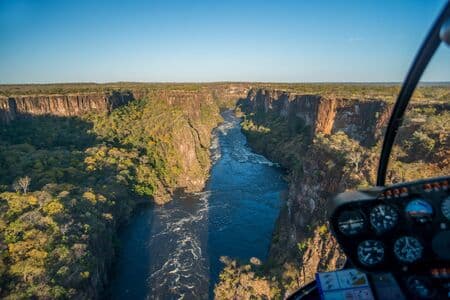
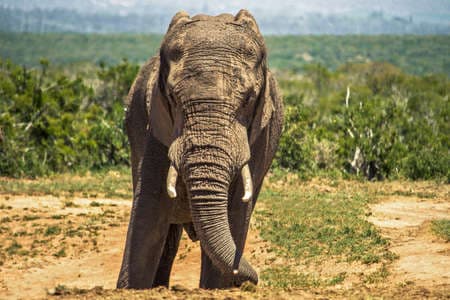
Top Safari Destinations in South Africa: Where to Experience Wildlife Overview of Safari Destinations in South Africa South Africa stands out because it does not offer one single safari identity. Instead, the country gives travellers a choice between dense Big Five heartlands, malaria-free reserves, desert ecosystems, coastal wilderness, and private conservancies that feel very different from one another. That variety is exactly why South Africa works so well for first-time safari travellers, repeat visitors, families, couples, and solo adventurers who want a trip shaped around a specific style of wildlife experience rather than a one-size-fits-all route. For Zimtrek Travel clients, the most useful way to think about safari planning in South Africa is not just by “which park is famous,” but by what kind of experience you want on the ground. Some travellers want easy self-drive access and a wide range of accommodation. Others want guided game drives, strong conservation stories, or quieter reserves with fewer vehicles. South Africa can deliver all of those, but the right destination depends on whether you value scale, exclusivity, family convenience, or a more unusual landscape. Those decisions affect your rhythm, your wildlife density, and your comfort level. 5 Distinct safari environments covered in this guide, from Kruger’s classic bushveld to Kgalagadi’s desert sands. This article focuses on the destinations that give South Africa its strongest safari identity: Kruger National Park, Addo Elephant National Park, Pilanesberg Game Reserve, and Hluhluwe-iMfolozi Park in this first half, followed by Kgalagadi Transfrontier Park and Madikwe Game Reserve in the second half. Each section looks at what makes the area different, which travellers it suits best, and how to read the landscape before you book. That approach is especially helpful if you are comparing South Africa to other safari countries in the region and want a destination that balances wildlife viewing with practical logistics. Kruger National Park: The Iconic Safari Experience Kruger is the reference point for South African safaris because it offers enormous scale, excellent road access, and a long-established wildlife infrastructure. It is one of the largest protected areas in the country, and that size matters. Travellers can move between northern, central, and southern areas and notice real differences in vegetation, density of game, and overall pace. The southern sector is usually the easiest for first-time visitors because sightings are often frequent and the lodge and camp network is extensive. The northern sections tend to feel quieter and more remote, which appeals to photographers and travellers who prefer fewer vehicles. Kruger is especially strong for self-drive travellers, but it is equally rewarding with a guided itinerary when you want expert interpretation of tracks, birdlife, and predator behaviour. This is where local knowledge adds real value. A good route through Kruger is not simply about entering the park and driving until you see animals. It is about choosing the right gate, understanding how far you want to drive each day, and deciding whether to stay inside the park or in a private concession on the edge. Those decisions affect your rhythm, your wildlife density, and your comfort level. Kruger works best when you match region to travel style: southern Kruger for first-timers and classic game viewing, central Kruger for a balanced route, and the north for slower, more atmospheric wildlife travel. What makes Kruger different from other South African parks? Kruger is not just about animals; it is about the system around the wildlife. The park has many entry points, a wide choice of camps, and an established network of roads that makes longer self-drive routes realistic. You can pair a few nights inside the park with a lodge outside it, which is helpful for families who want flexibility or couples who want a mix of bush and comfort. Because of the park’s scale, planning matters more than people expect. If you stay in the wrong section for your goals, you may spend too much time driving and too little time watching. Kruger area Best for Travel style Southern Kruger First-time safari travellers, families High wildlife density, easy access Central Kruger Balanced wildlife and variety Good for longer stays and mixed routes Northern Kruger Photographers, repeat travellers Quieter, more remote, slower pace Kruger also works well as a gateway into wider safari planning. Travellers often compare it with private reserves in South Africa because Kruger gives more independence, while private options offer more exclusivity. For many Zimtrek guests, that comparison is useful: if you want to self-drive and keep your itinerary flexible, Kruger is compelling. If you want fully guided days and fewer vehicles, you may prefer a private reserve connected to the greater Kruger area. Addo Elephant National Park: A Conservation Success Addo is one of the most interesting safari destinations in South Africa because it shows how conservation can reshape a landscape over time. It began as a small refuge for elephants and has grown into a much more diverse protected area. That conservation story is part of its appeal, but the park is not only about history. It also offers a different wildlife feel from the better-known bushveld parks, with a landscape that includes dense thicket and coastal influences rather than only open savannah. Travellers often choose Addo because it is practical. It is easier to combine with a Garden Route itinerary, and that makes it appealing for visitors who want wildlife without committing to a long, park-only safari. Families often like Addo for that reason: you can mix game drives with a broader South African holiday, and the travel logistics are more straightforward than on a longer multi-park journey. Couples who are already exploring the Eastern Cape also use Addo as a well-paced wildlife stop rather than a standalone expedition. Addo is a strong choice if you want meaningful wildlife viewing inside a broader South Africa trip, especially when you are combining nature, road travel, and relaxed pacing. Why Addo appeals to different kinds of travellers Addo works because it is adaptable. Wildlife photographers appreciate the chance to spend unhurried time in a reserve that is less overwhelming than a huge wilderness area. Families value the accessibility and the ability to fit Addo into a broader itinerary. Travellers who care about conservation like seeing a park that has evolved through active management rather than remaining static. The park’s elephant population is its signature, but the broader habitat also adds layers of interest for birdwatchers and anyone who enjoys reading a landscape rather than only looking for marquee species. Another reason Addo deserves attention is that it provides a different safari tone. Kruger is iconic and expansive; Addo is more compact and conservation-led. That difference is useful for travellers who want to understand what South African safari travel can look like beyond the headline names. It shows that a rewarding safari does not have to be the biggest reserve or the most famous one. Sometimes it is the park that fits cleanly into the rest of the journey that becomes the most enjoyable part of the trip. Pilanesberg Game Reserve: Unique Geology and Wildlife Pilanesberg is distinctive because the landscape itself defines the experience. The reserve sits in an ancient volcanic crater, and that geological structure creates rolling hills, varied viewpoints, and a different sense of space from flat bushveld parks. This matters for travellers because scenery changes the feel of a safari day. In Pilanesberg, the road network often reveals both wildlife and terrain, which makes drives visually engaging even when animals are less concentrated in one area. Its location also makes Pilanesberg practical. Many visitors choose it for short breaks or as part of a Johannesburg-based holiday because it is accessible without the long transfer time required by more remote reserves. That convenience is especially useful for regional African travellers, business travellers extending a trip, or families with limited holiday days. You can have a proper safari feeling without building an entire itinerary around long overland logistics. 1 Ancient volcanic crater setting gives Pilanesberg a landscape unlike most safari reserves in South Africa. Who should consider Pilanesberg first? Pilanesberg is particularly suited to travellers who want an efficient safari with less transit time. It can work well for families because the reserve is easy to access, and the surrounding accommodation options make short stays simple to arrange. It also suits couples who want a quick, high-quality wildlife escape without committing to a multi-day overland route. For solo travellers, it is a comfortable entry point into guided safari travel, especially when a fixed-length trip is easier to manage than a more complex self-drive circuit. The main planning point is to match expectations to the reserve’s layout. Pilanesberg is not about replicating the scale of Kruger. Instead, it offers a concentrated safari experience with scenic variety and strong accessibility. If you are comparing it to larger parks, think in terms of convenience, terrain, and trip length rather than sheer size. That makes it a smart option in a South African safari plan where time efficiency matters as much as wildlife viewing. Hluhluwe-iMfolozi Park: A Rich Historical Legacy Hluhluwe-iMfolozi is one of South Africa’s most important safari destinations because of its conservation legacy. The park is closely linked to rhino conservation history, and that background gives the visit a deeper layer than a standard game drive. Travellers who appreciate conservation stories often find this park especially meaningful because the experience is not only about spotting wildlife but also about understanding the role the reserve has played in protecting species over time. The landscape is hilly, scenic, and rewarding for visitors who like a more textured route through the bush. It feels different from the large, open safari settings that dominate many wildlife itineraries. The terrain can make drives more varied, and that adds to the sense of exploration. For travellers planning a wider KwaZulu-Natal journey, Hluhluwe-iMfolozi fits naturally with coastal and cultural experiences, which makes it a strong choice for people who want wildlife as part of a broader regional trip rather than as the only focus. If you want a safari with strong conservation meaning as well as wildlife value, Hluhluwe-iMfolozi offers a deeper story than many quick-stop reserves. For many travellers, the value of Hluhluwe-iMfolozi is that it adds historical depth to a South African safari itinerary. It is not just another wildlife stop; it is a place where conservation achievements are part of the reason the park matters. That can be especially appealing for mature travellers, wildlife enthusiasts, and families who want to use a safari to teach children more than animal names. It gives context, and context often makes a safari more memorable.
Read more