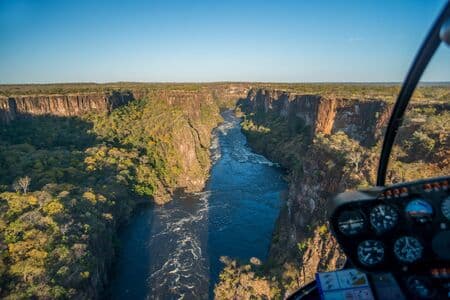
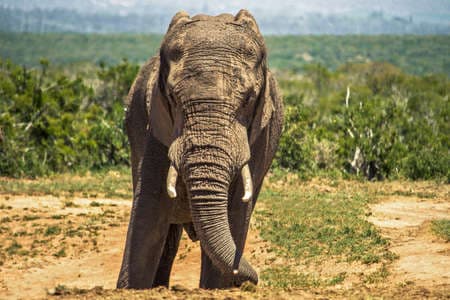
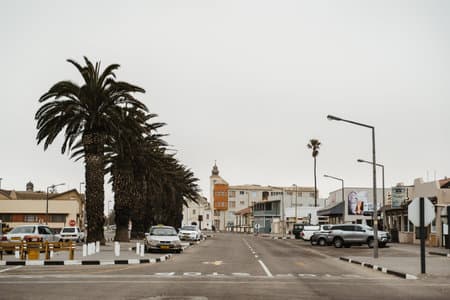
Exploring Namibia Tours and Safaris: Your Ultimate Guide Introduction to Namibia Tours and Safaris Planning Namibia well is less about chasing a single “best” safari and more about choosing the right travel style for a very large, very varied country. A first-time visitor may want the classic arc of Windhoek, Sossusvlei, Swakopmund, and Etosha; another traveller may prefer a fly-in journey through Damaraland and the Skeleton Coast; a third may want a self-drive loop that keeps costs under control while still delivering strong scenery and wildlife. That flexibility is one reason Namibia works so well for international travellers and regional visitors who like a clear plan but still want space and freedom on the road. With Zimtrek, the biggest decision is usually not whether to go, but how to go: self-drive , guided road tour, or fly-in safari. Self-drive suits confident drivers who are comfortable with long distances and corrugated gravel roads. Guided tours reduce logistical friction and are helpful if you want local context, help with timing, and someone else to manage transfers and park sequencing. Fly-in safaris cost more, but they save time in a country where the distances between highlights can be substantial. A useful Namibia rule: if your trip is under 8 days, keep the route tight. Stretching too far usually means more driving and less time where it matters. 3 Main formats to compare: self-drive, guided road tour, and fly-in safari. How to decide which format fits you Self-drive: best value for experienced travellers, especially on the classic central-south loop. Guided road tour: best for couples, families, and anyone who wants local handling of logistics. Fly-in: best for higher-end trips, remote areas, or travellers who prefer comfort over long road days. Most first-timers do well with a route that combines the dunes of Namibia trip planning around Sossusvlei, the coast around Swakopmund, and a wildlife block in Etosha. That mix gives you desert, ocean, and game viewing without forcing the itinerary into a rushed checklist. Best Time to Visit Namibia For safari-focused travel, the dry season from May to October is usually the strongest period. Water is scarcer, so animals tend to concentrate near pans and waterholes, especially in Etosha. Days are generally clear and comfortable, though mornings and evenings can be cool, especially in June and July. The green season from November to April brings more dramatic skies, softer light for photography , and fewer visitors in many areas, but wildlife dispersal can make game more spread out and some gravel roads slower after rain. The right month depends on what you want to prioritise. If your goal is wildlife concentration and easier road conditions, aim for the dry months. If you care more about dune contrast, landscapes, photography, and quieter lodges, the shoulder and green months can be rewarding. Around the coast and in Swakopmund, temperatures stay milder than inland, which makes Namibia feel more comfortable than many first-time visitors expect. Period What it is like Best for May to June Cooler, dry, very good visibility First-time safari travellers, self-drive road trips July to October Peak dry season, strongest waterhole viewing Etosha-focused itineraries, photographers, wildlife travellers November to February Warm, stormier, greener landscapes Lower-crowd travel, scenery, value-sensitive trips March to April Transition period, mixed conditions Travellers who want balance between scenery and game drives If your route includes the Skeleton Coast or Damaraland, plan for cooler coastal weather and long transfer times. The calendar month matters less than road conditions and daylight planning. Cost Considerations for Tours Namibia pricing varies sharply by format. In 2026 planning terms, a budget camping self-drive can start around US Dollar 150 to 250 per person per day if you share a vehicle and keep accommodation basic. Mid-range guided lodge trips commonly sit around US Dollar 350 to 650 per person per day, depending on how much is included. Fly-in or premium lodge itineraries can move beyond US Dollar 700 per person per day, especially where private guiding, charter flights, and remote desert camps are involved. The biggest cost drivers are vehicle type, season, park access, fuel, lodge category, and whether your trip is private or shared. A 4x4 with camping gear may look inexpensive at first glance, but insurance, fuel over long distances, one-way drop fees, and sand or gravel wear can change the picture quickly. Guided tours may appear more expensive upfront, but they often include transfers, guiding, accommodation, and game activities, which makes the total easier to control. Tour style Typical estimate per person per day Usually includes Budget self-drive camping US Dollar 150-250 Vehicle share, campsites, basic logistics, some park fees Mid-range guided lodge tour US Dollar 350-650 Accommodation, guiding, road transfers, selected meals Luxury fly-in safari US Dollar 700+ Charter flights, premium camps, private guiding, higher-end dining If you are comparing quotes, ask how they handle park fees, Sossusvlei dune access, vehicle hire excess, transfers, and lunches on long transit days. A lower sticker price can become poor value if it excludes the essentials. For travellers watching the budget, travelling in shoulder months, choosing fewer lodge changes, and combining camping with one or two lodge nights usually gives the best balance. Top Regions and Itineraries in Namibia The strongest Namibia itineraries are built around natural travel corridors rather than trying to cross every corner of the country. For a first trip, Sossusvlei and Deadvlei are the essential desert pair, with their red dunes and salt-pan scenery. Swakopmund works well as a reset point between desert and coast, especially if you want activities, better dining, or a break from long drives. Etosha is the anchor for wildlife viewing, while Damaraland and Kaokoland add geological drama, remote landscapes, and a sense of space that many travellers do not expect until they are there. Longer routes can include the Skeleton Coast for its stark, Atlantic-facing scenery, or Fish River Canyon for southern depth and a very different travel rhythm. In the northeast, the Caprivi, now often referred to as the Zambezi region, offers a greener, river-based contrast to the rest of Namibia and pairs well with Botswana-adjacent travel. For readers wanting a simple structure, think in terms of route length rather than just destinations. Route length Best fit Typical focus 7 days First-time visitors with limited time Windhoek, Sossusvlei, Swakopmund, Etosha 10 days Travellers wanting better pacing Add Damaraland or more Etosha time 14 days Deeper, slower itinerary Skeleton Coast, Kaokoland, Fish River Canyon, Zambezi region A well-planned itinerary should also respect real road times. Namibia is a country where 300 kilometres can take much longer than expected, especially off the main tar routes. That is why Zimtrek tends to build trips around comfort points and realistic drive days, rather than stacking too many overnight stops. The result is less time wasted packing and unpacking, and more time for the actual experience of the country.
Read more